Late-Night Comedy Under Fire: When Jokes Cross the Line
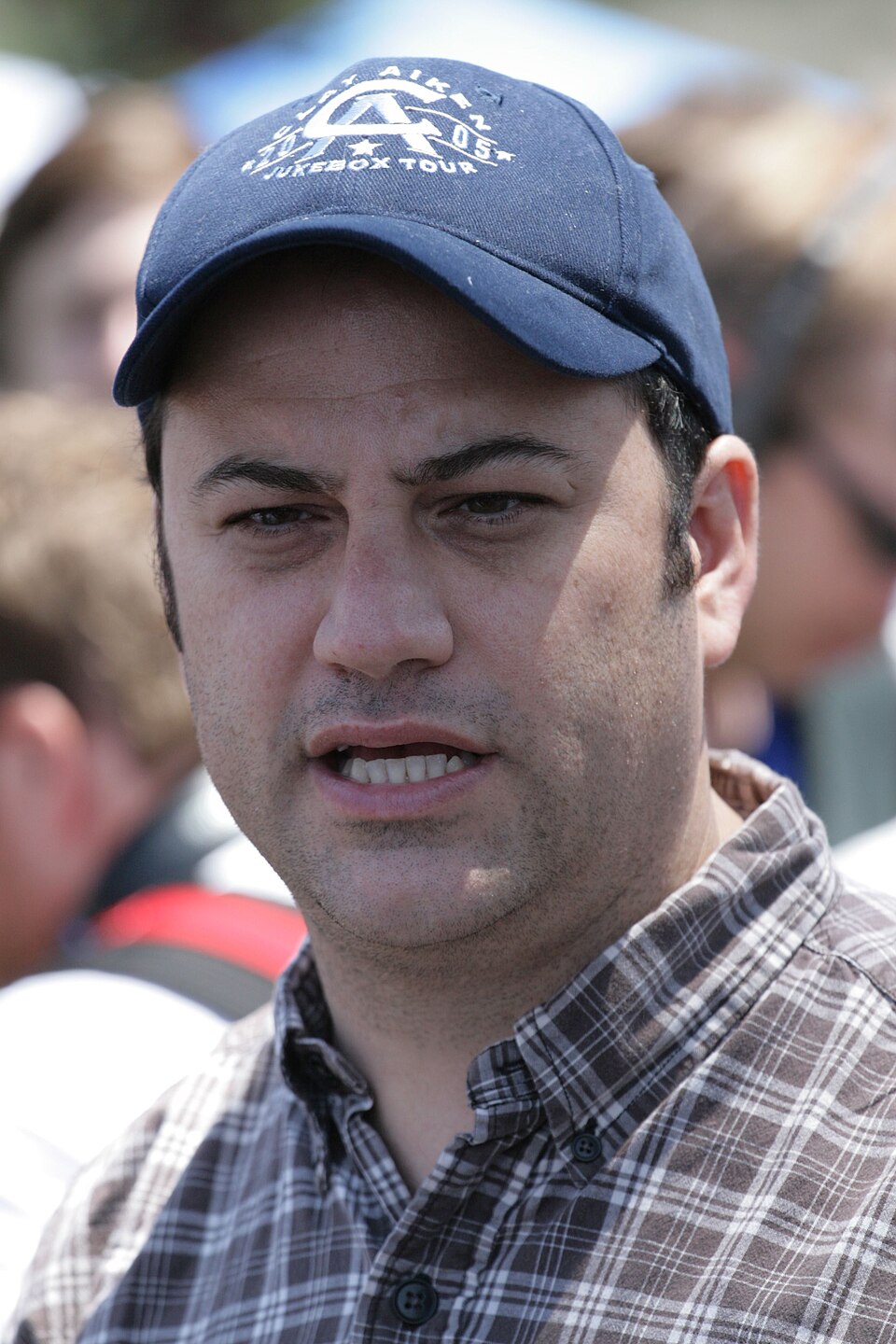
A controversy surrounding comedian Jimmy Kimmel has sparked debate about free speech and accountability in entertainment. The incident has drawn media attention to questions about boundaries in comedy and the consequences celebrities face for their remarks.
OpinionThe entertainment industry has once again found itself at the center of a cultural conversation about comedy, responsibility, and consequences. A recent controversy involving late-night television host Jimmy Kimmel has reignited discussions about what constitutes acceptable humor and whether comedians should face professional repercussions for jokes deemed offensive or inappropriate by audiences and critics.
Kimmel, who hosts his show on Hollywood Boulevard in Los Angeles, has built a career on satirical humor and social commentary. However, the line between edgy comedy and genuinely harmful speech remains contested in contemporary American culture. The incident has attracted coverage from major news organizations, including the BBC, which has documented public reactions outside the broadcast location.
The controversy raises fundamental questions about accountability in entertainment. Supporters of comedic freedom argue that comedy has always pushed boundaries and that censoring jokes undermines artistic expression. Critics counter that public figures with significant platforms bear responsibility for the messages they amplify, regardless of comedic intent. This tension reflects broader societal divisions over free speech, cancel culture, and the role of entertainment in shaping public discourse.
The situation also highlights how rapidly controversies can spread in the digital age, with social media amplifying both outrage and defense. What might have been a localized discussion decades ago now becomes a national-or even international-debate within hours. This amplification effect forces networks and studios to respond quickly to protect their brands and advertisers.
As the entertainment industry continues to grapple with these issues, the question of whether a comedian should face termination for a single joke remains deeply divisive. The answer likely depends on where one draws the line between comedic license and responsible speech-a boundary that shifts depending on one's values, experiences, and beliefs about the purpose of entertainment.
Open in app →