Life Expectancy Gap Widens Between Rich and Poor
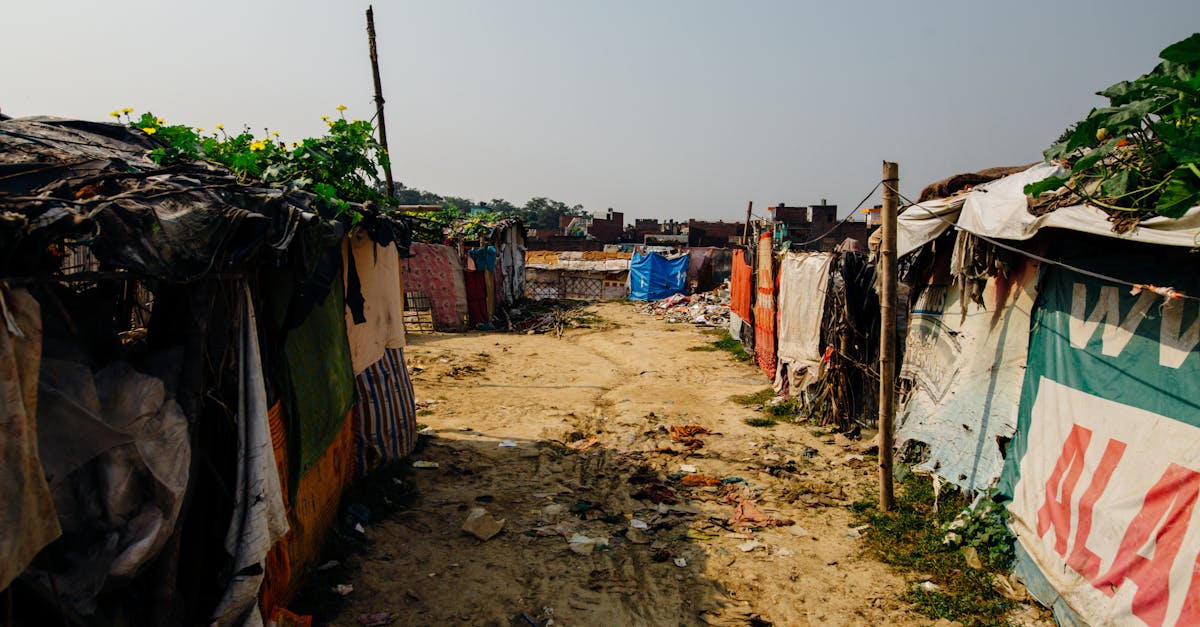
A new study reveals that the disparity in healthy life expectancy between wealthy and disadvantaged populations has increased significantly. Poor housing conditions, obesity, and the cumulative effects of deprivation are identified as key factors driving this widening gap.
EconomyRecent research has documented a troubling trend: the gap between healthy life expectancy for wealthy individuals and those living in poverty has grown wider over time. The findings underscore how economic inequality translates directly into health outcomes across populations.
The study attributes the decline in healthy life expectancy among lower-income groups to multiple interconnected factors. Poor housing conditions create environments where chronic diseases flourish, inadequate nutrition and food insecurity contribute to rising obesity rates, and the pervasive stress of economic deprivation takes a measurable toll on physical and mental health.
This widening gap reflects broader patterns of health inequality that persist in developed nations. Wealthy populations have better access to preventive healthcare, healthier food options, and living conditions that support wellbeing, while disadvantaged communities face systemic barriers to these resources. The research suggests that addressing this disparity requires comprehensive interventions targeting housing quality, food security, and access to healthcare services.
Public health officials emphasize that closing this gap requires policy attention to underlying social determinants of health. Without intervention, the disparity is likely to continue expanding, creating an increasingly divided society where life expectancy and quality of life depend heavily on economic status.
Open in app →