Life in India's hottest region: 'There are no more mornings and nights'
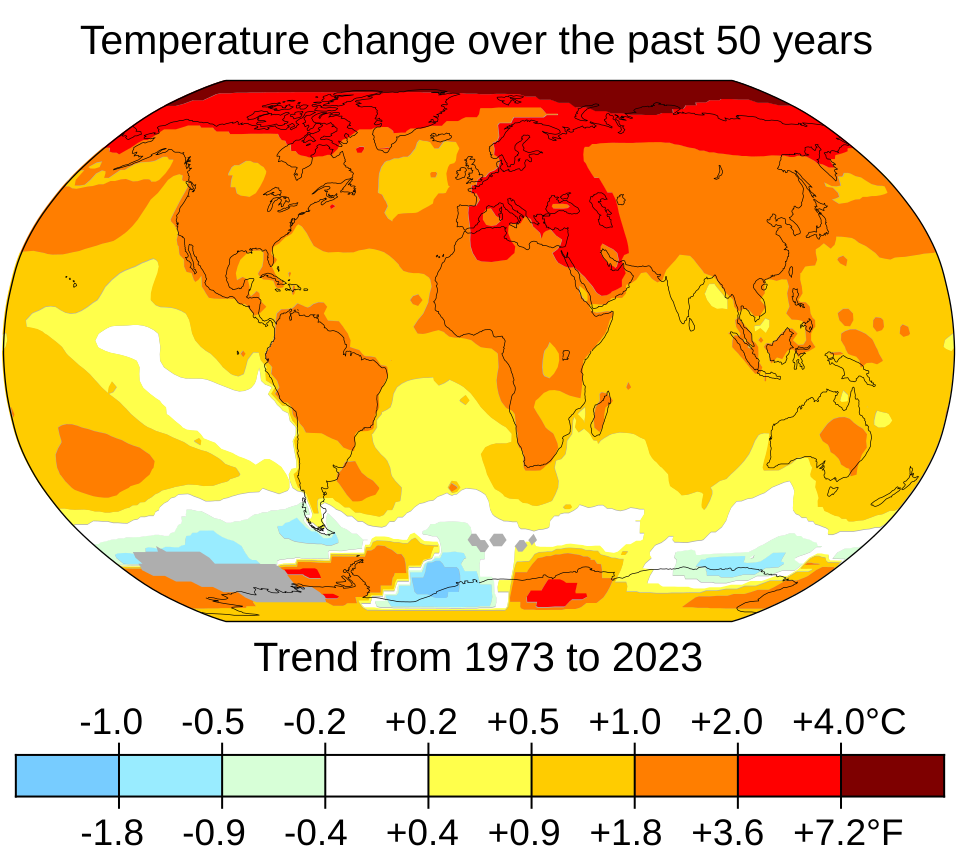
Residents of India's hottest region are confronting extreme heat that makes daily life unbearable. The scorching temperatures affect all aspects of life, from food preparation to sleep and work. This is a glimpse of life on the frontlines of climate change.
PoliticsPeople living in India's hottest region face a reality where everyday life has become extremely difficult due to extreme heat. Temperatures climb to levels that make normal activities — working, sleeping, cooking — dangerous or impossible.
Heat that offers no respite
Local residents describe the situation in words that convey the hardship of their lives: "There are no more mornings and nights" — a phrase that captures a reality where night brings no expected cooling and morning arrives already unbearably hot. People are forced to adapt their daily rhythm to these extreme conditions, working during night hours or seeking shelter under any available roof.
Extreme heat hits the poorer residents particularly hard, those without access to cooling equipment or air conditioners. Farmworkers and people working on the streets are most vulnerable — they must continue working despite life-threatening heat, because their families' survival depends on it.
On the frontlines of climate change
India is one of the countries where the impacts of climate change are most directly felt. Scientists have warned that extreme heat waves will become more frequent and intense in the future. The experience of India's hottest region is a warning to the world about what it means to live on the frontlines of the climate crisis.
What is happening in India's hottest regions today may be a preview of the future for many other regions across the world, where temperatures continue to rise.
Open in app →