Lilac flowers as medicinal herbs: what folk tradition knew and what modern science says
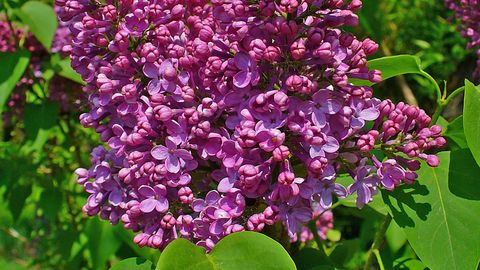
Spring lilac is more than just a beautiful ornamental shrub, folk tradition used lilac flowers to make tea and a remedy called "joint liqueur". What health benefits does modern science confirm?
CultureAs spring arrives, the sweet scent of lilac flowers fills gardens and parks across Estonia. Most of us enjoy this fragrance in passing, but our ancestors had a much deeper relationship with lilac, they would gather the flowers and use them to prepare both tea and various tinctures.
Folk remedies
In folk medicine, lilac flowers were considered particularly useful for relieving joint pain. A popular preparation was the so-called "joint liqueur", lilac flowers were steeped in alcohol and the resulting tincture was rubbed onto aching joints. Additionally, tea was made from the flowers, to which fever-reducing and anti-inflammatory properties were attributed.
What does science say?
Modern science has begun taking increasing interest in the chemical composition of lilac flowers. Research has shown that lilac contains several bioactive compounds, including flavonoids and essential oils, which have been observed to have anti-inflammatory properties. However, it must be emphasised that clinical trials in humans are still limited, and definitive conclusions cannot yet be drawn about the medicinal properties of lilac flowers.
If you wish to gather lilac flowers yourself, the best time is right now, the flowers should be collected immediately after they open, on dry days, and away from roads and sources of pollution. For drying, spread the flowers in a thin layer in a shaded, well-ventilated place. Dried flowers will keep in a sealed jar for up to a year.
Open in app →