Loch Lomond cleanup halts as funding dries up
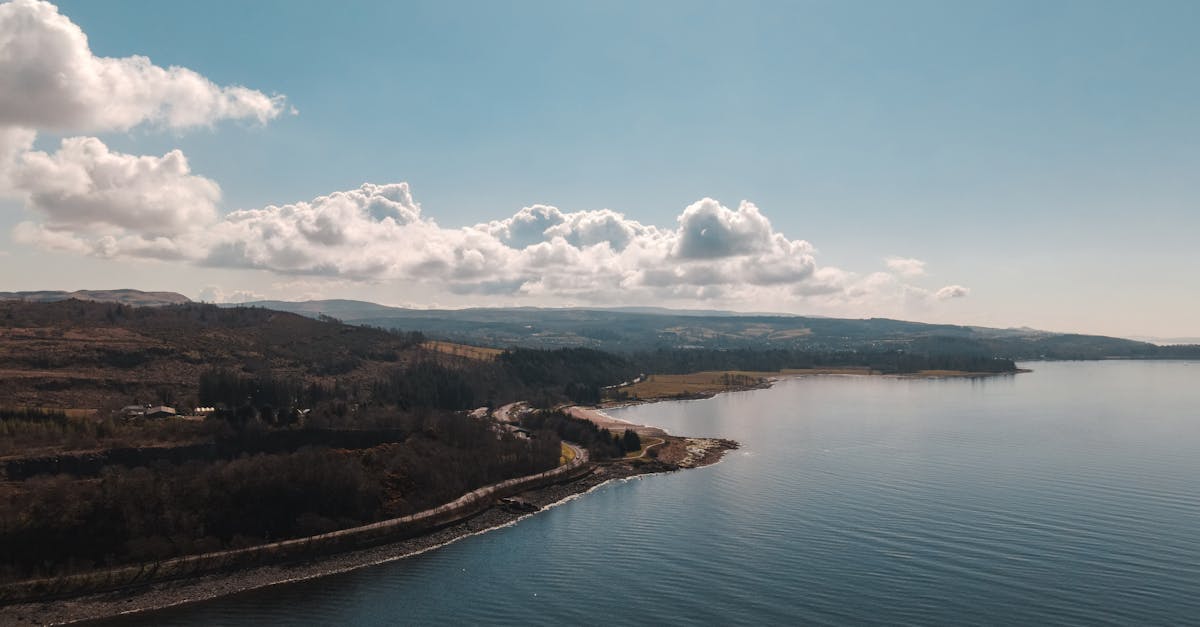
A community organization in Scotland has suspended waste collection efforts at Loch Lomond, one of the country's most visited tourist destinations, due to lost public funding. Without financial support, the group can no longer maintain the bins along the popular scenic route, raising concerns about environmental degradation at the site.
EconomyA community group managing environmental efforts at Loch Lomond in Scotland has been forced to halt its waste collection operations following the loss of critical funding. The organization, which has played a vital role in maintaining the cleanliness of this major tourist attraction, can no longer afford to empty bins regularly along the scenic route that draws thousands of visitors annually.
Loch Lomond, located in central Scotland and part of the Loch Lomond and The Trossachs National Park, is one of Scotland's most iconic natural destinations. The withdrawal of funding has created a significant challenge for maintaining environmental standards at a site that serves as a key recreational and economic asset for the region. Community leaders have expressed alarm about the deteriorating conditions and the potential long-term impact on both the landscape and tourism.
The funding cuts represent a broader challenge facing local environmental initiatives across the United Kingdom, where many community-led conservation projects depend heavily on government grants and public support. Without adequate resources, waste management becomes inconsistent, leading to visible environmental degradation that can affect visitor experiences and community pride in the area.
Stakeholders are now appealing for alternative sources of funding to restore regular waste collection services. Local authorities, tourism boards, and environmental organizations are being urged to find sustainable financial solutions that would allow the community group to resume its essential maintenance work. The situation highlights the critical dependence of conservation efforts on consistent, dedicated funding streams.
Open in app →