May's Flower Moon to Illuminate Night Sky This Friday
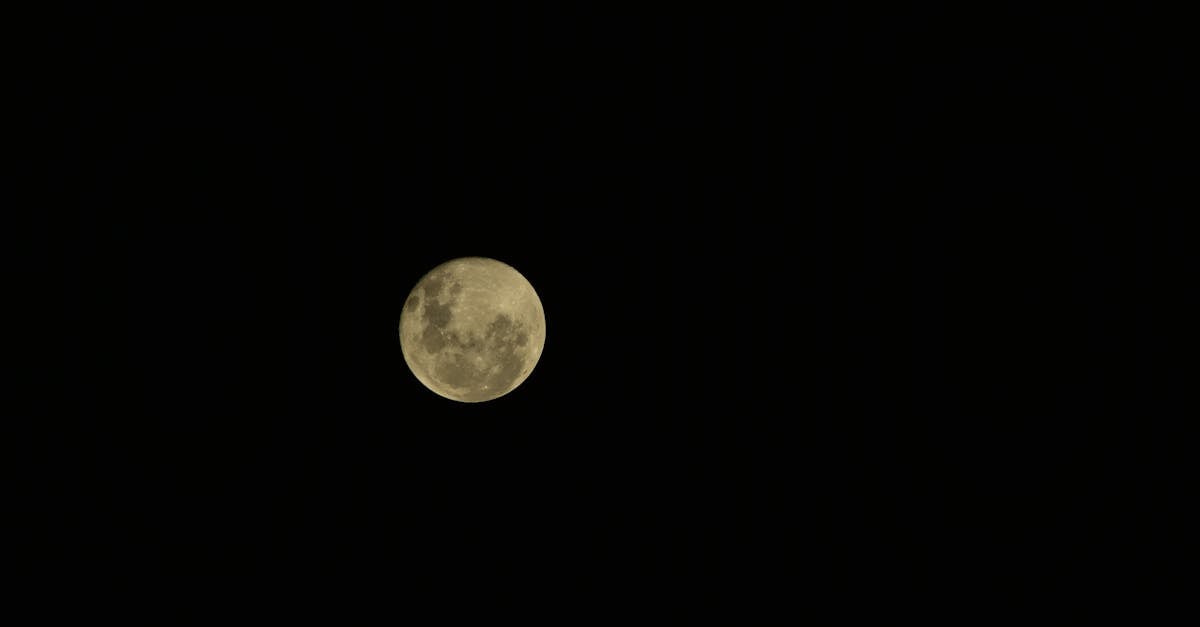
The full Flower Moon will reach its peak on Friday, May 1st, providing a spectacular celestial display as spring flowers bloom across the Northern Hemisphere. Astronomy enthusiast Darren Bett explains the phenomenon and what observers can expect to see during this natural event.
OpinionSkywatchers are in for a treat this Friday as May's full moon-traditionally known as the Flower Moon-reaches its brightest point in the night sky. The lunar event coincides perfectly with the season of blooming spring flowers, a connection that has inspired the moon's evocative name for centuries.
The Flower Moon rises on Friday, May 1st, and will be fully illuminated when it reaches its peak. Unlike some lunar events that require special equipment to appreciate, this full moon can be observed with the naked eye from anywhere on Earth where cloud cover permits. Its brilliance will be particularly striking during the evening hours, offering an excellent opportunity for both casual observers and amateur astronomers to witness this monthly spectacle.
According to astronomy expert Darren Bett, the May full moon represents one of the clearest examples of how ancient peoples named lunar cycles based on their natural surroundings. As flowers reach their peak bloom during May in temperate zones, early cultures across the Northern Hemisphere designated this month's full moon as the Flower Moon-a naming convention that persists in modern astronomical calendars.
Clear skies will enhance the viewing experience significantly. Those planning to observe the Flower Moon should find a location away from excessive light pollution if possible, though the moon's brightness will make it visible even in urban areas. The event requires no special equipment or preparation, making it accessible to everyone regardless of their astronomy experience.
This celestial event reminds us of the deep connections between seasonal changes and the cycles visible in our night sky, patterns that have guided human observation and timekeeping since ancient times.
Open in app →