Miami Grand Prix: How New F1 Rules Will Shape the Race
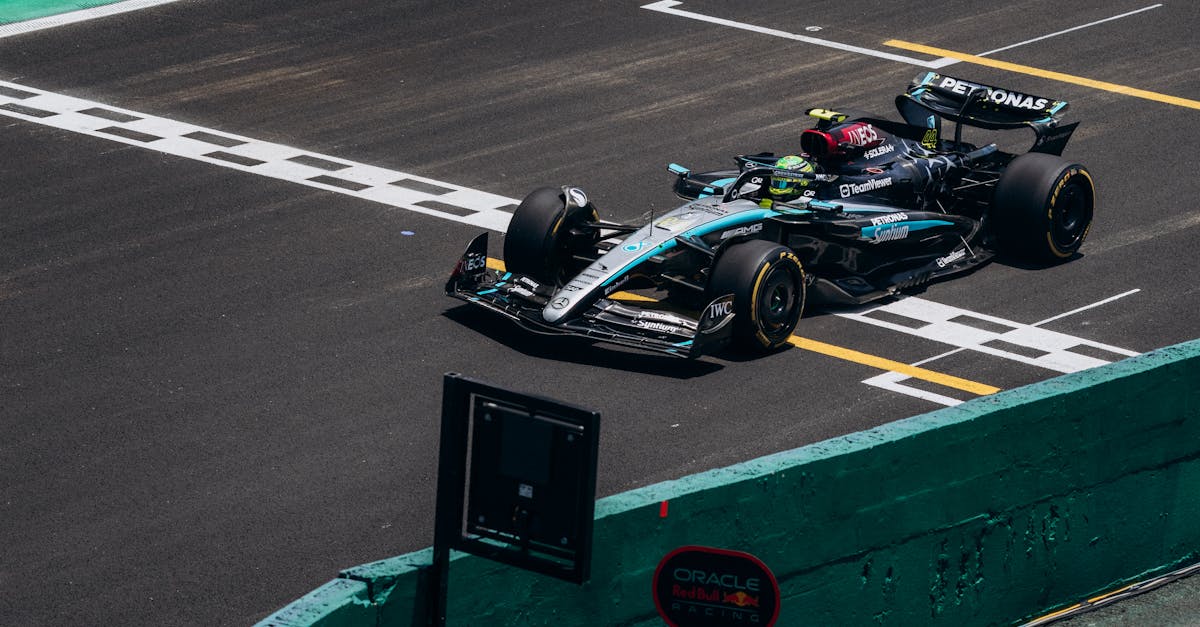
Ahead of the Miami Grand Prix, BBC Sport's F1 correspondent Andrew Benson addresses fan questions about recent rule changes and their potential impact on the competition. The analysis examines whether the modifications will create meaningful differences in race dynamics and driver performance at the Miami circuit.
SportThe Miami Grand Prix represents another crucial test of Formula 1's evolving regulatory framework. With recent adjustments to technical rules and racing specifications, teams and drivers are preparing to compete under conditions that could significantly alter traditional competitive strategies.
BBC Sport's F1 correspondent Andrew Benson has fielded multiple questions from fans seeking clarity on how these changes will translate to actual performance differences on track. The Miami circuit, known for its unique characteristics and challenging environmental conditions, provides an interesting venue to evaluate whether the regulatory shifts have the intended consequences.
The technical modifications aim to address various aspects of car performance, aerodynamics, and handling characteristics that have dominated F1 discussions in recent seasons. Teams have spent considerable resources understanding and adapting to the new specifications, with some organizations potentially gaining more advantage than others depending on their design philosophy and development approach.
At Miami's demanding street circuit, where precision and adaptability prove essential, the rule changes could influence everything from qualifying performance to race-day strategy and tire management. The combination of high temperatures, tight corners, and limited overtaking opportunities creates a unique environment where technical innovations can have outsized effects.
As drivers and teams prepare for competition at this iconic Miami venue, the practical implications of the regulatory changes will become increasingly clear through practice sessions and qualifying rounds, ultimately determining whether the modifications achieve their stated goals of improving racing quality and competitive balance.
Open in app →