Mikhelson: Putin is trapped in the war he started
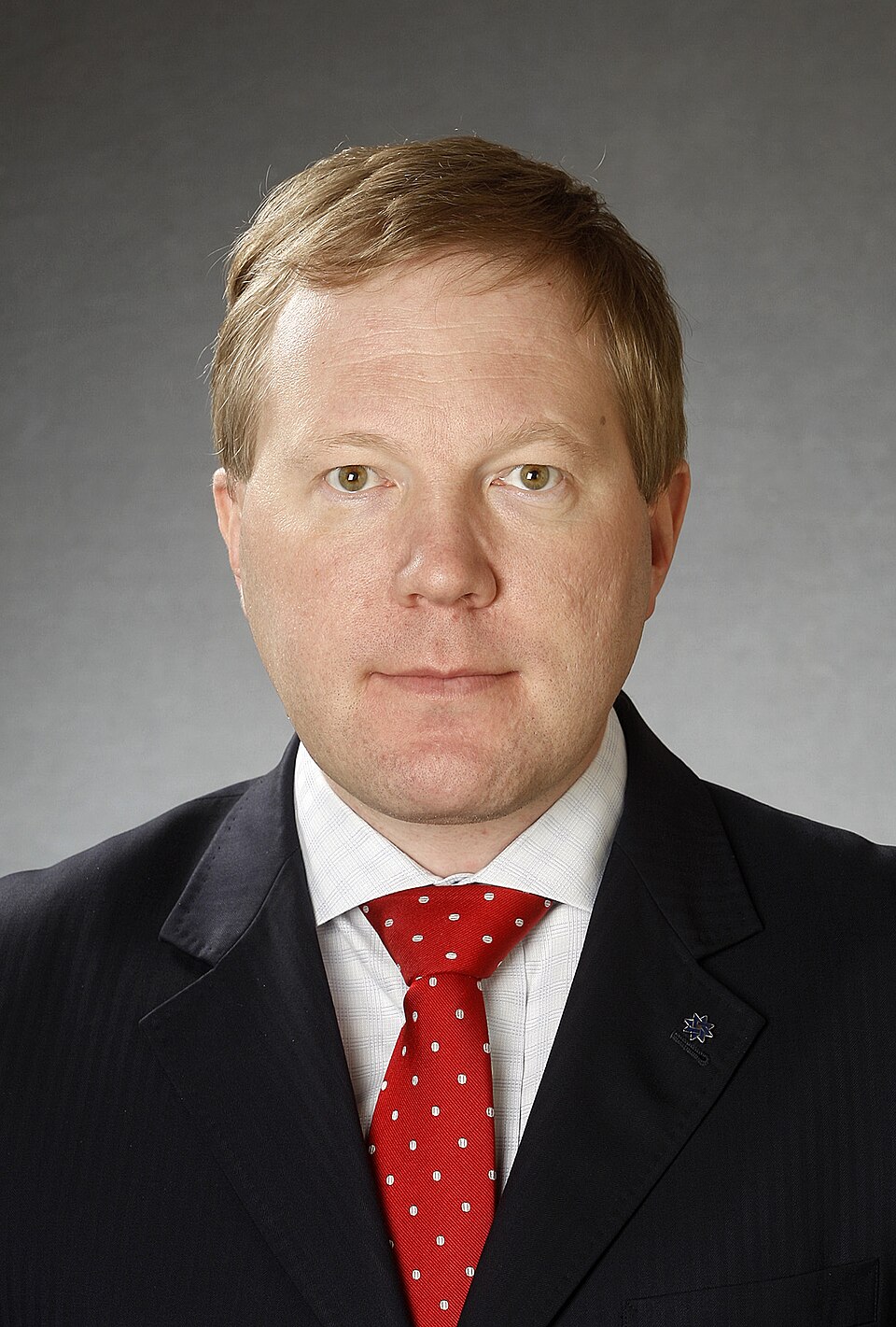
Riigikogu Foreign Affairs Committee chairman Marko Mikhelson says Ukraine's long-range strikes on Russian refineries and supply chains have put Vladimir Putin in an extremely difficult position. Mikhelson argues that Western countries should pause peace talks with Moscow and instead focus on maximising military support for Ukraine, since a just peace is only achievable through a Ukrainian battlefield victory.
PoliticsMarko Mikhelson, chairman of the Riigikogu Foreign Affairs Committee, says Russia's growing fuel and logistics problems, caused by Ukraine's expanded long-range strike capabilities, have left Vladimir Putin with no good options. Speaking in an interview, Mikhelson argued that Western nations must resist pressure to enter peace talks with Moscow and instead double down on military and economic support for Kyiv.
Ukraine's strikes change the game
Mikhelson said that over the past two to three months Ukraine had introduced a fundamentally new element into the war. «Ukraine has very effectively demonstrated its capabilities. They have struck strategic targets in Russia, oil refineries, military factories, and they have very effectively blocked logistical chains, for example the roads leading into Crimea,» he said.
He noted that the strikes had both a visual impact, pointing to the drone attack on Moscow, and real strategic consequences for Russia's war effort. He added that it was «not surprising» that US President Donald Trump had recently acknowledged that Ukrainian President Volodymyr Zelensky «is doing quite well», given Trump's general preference for associating with whichever side appears to be winning.
Putin trapped by his own war
Mikhelson described Putin as clearly «trapped in the war he himself started». He said Putin cannot end the conflict on unfavourable terms because doing so would cost him power and authority, and could even trigger a regime change in Russia. At the same time, Russia has been unable to achieve its original goals.
«Without this war, Putin is nobody,» Mikhelson said, adding that Putin continues to hope, based on reports from loyal generals, that Russia will capture the Donbas and surrounding territories by autumn. Yet the logistical disruptions caused by Ukrainian strikes could have severe knock-on effects, including during the upcoming harvest season.
On Crimea, Mikhelson noted that the peninsula is now Ukraine's primary target and is increasingly isolated. He said Putin's public response, essentially «we'll manage, it's fine», reflected a leader who has no real solutions at hand.
West must resist Russia's negotiation trap
Mikhelson warned that Russia's push for peace talks is an «information operation» designed to make Western countries appear responsible for the failure to achieve peace. He said Marco Rubio had himself acknowledged weeks ago that Russia would not get at the negotiating table what it cannot achieve on the battlefield.
«This is a Russian trap, set only to distract us from the main strategic goal,» Mikhelson said. «Our task is to increase comprehensive military assistance to Ukraine and to intensify economic pressure on Moscow precisely now, when its weakness is apparent to everyone.»
He argued that the United States had by now clearly understood that forcing Ukraine into capitulation is impossible, particularly given Ukraine's ability to effectively defend itself and introduce tactical changes through long-range strikes that could lead to a major strategic breakthrough.
Alaska deal claims dismissed
Asked about Russian claims of some kind of agreement reached with Trump in Alaska, Mikhelson said such «agreements» exist primarily «in the heads of the Russians themselves». He suggested the Kremlin had hoped to win US recognition, de jure or de facto, of Russian sovereignty over Crimea and the Donbas. Ukraine's answer, he said, has been unambiguous: no territory will be ceded voluntarily.
Eyes on the NATO summit
Looking ahead to the upcoming NATO summit, Mikhelson said Ukrainian President Zelensky would attend in order to reinforce allied unity and make clear the existential threat that Russia's aggression poses to the entire alliance. «The main priority is for all participants to understand that Ukraine must win this war,» he said.
Open in app →