Monkeys Adapt Diet Strategy to Process Tourist Junk Food
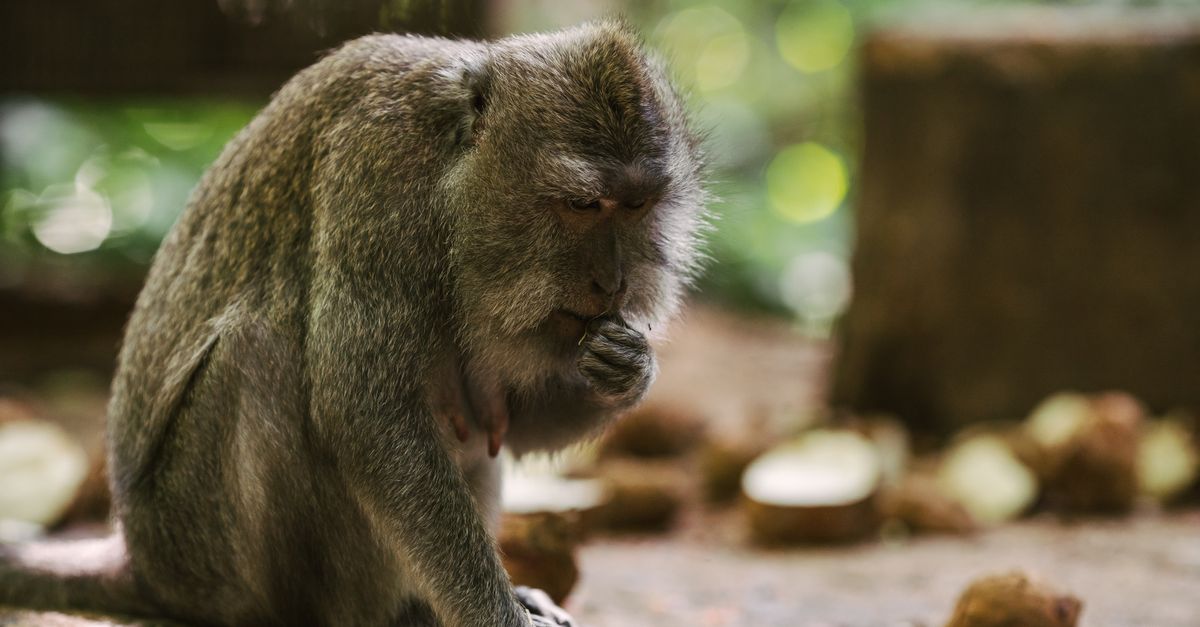
New research reveals that monkeys in tourist areas have learned to consume soil as a digestive aid to counteract the effects of high-calorie snacks provided by visitors. Scientists studying primate behavior suggest this adaptive response helps stabilize their digestive systems when exposed to processed foods.
TechnologyResearchers observing monkey populations in areas frequented by tourists have documented a fascinating behavioral adaptation: the animals deliberately consume soil to manage digestive issues caused by calorie-rich human food. The practice appears to be a learned response that helps neutralize the effects of junk food on their gastrointestinal systems.
The soil consumption serves a practical biological function, acting as a natural antacid that allows the monkeys' stomachs to process and cope with nutrient-imbalanced snacks regularly offered by visitors. This discovery highlights how wildlife adapts to environmental pressures created by human tourism and food availability.
Scientists conducting this research emphasize that while the monkeys have developed this coping mechanism, the underlying issue remains problematic for their long-term health. The reliance on processed foods from tourists, combined with the need for soil consumption to manage the consequences, represents an unsustainable dietary pattern for wild primate populations.
The findings contribute to growing scientific understanding of animal behavioral plasticity and adaptation to human-altered environments. Researchers recommend that tourism guidelines be strengthened to prevent direct feeding of primates, allowing these populations to maintain more natural dietary patterns and reduce their dependence on compensatory behaviors like soil consumption.
This research underscores the complex ecological impacts of wildlife tourism and the importance of responsible visitor behavior in protecting animal welfare in their natural habitats.
Open in app →