Moscow-linked church faces forced closure following Constitutional Court ruling
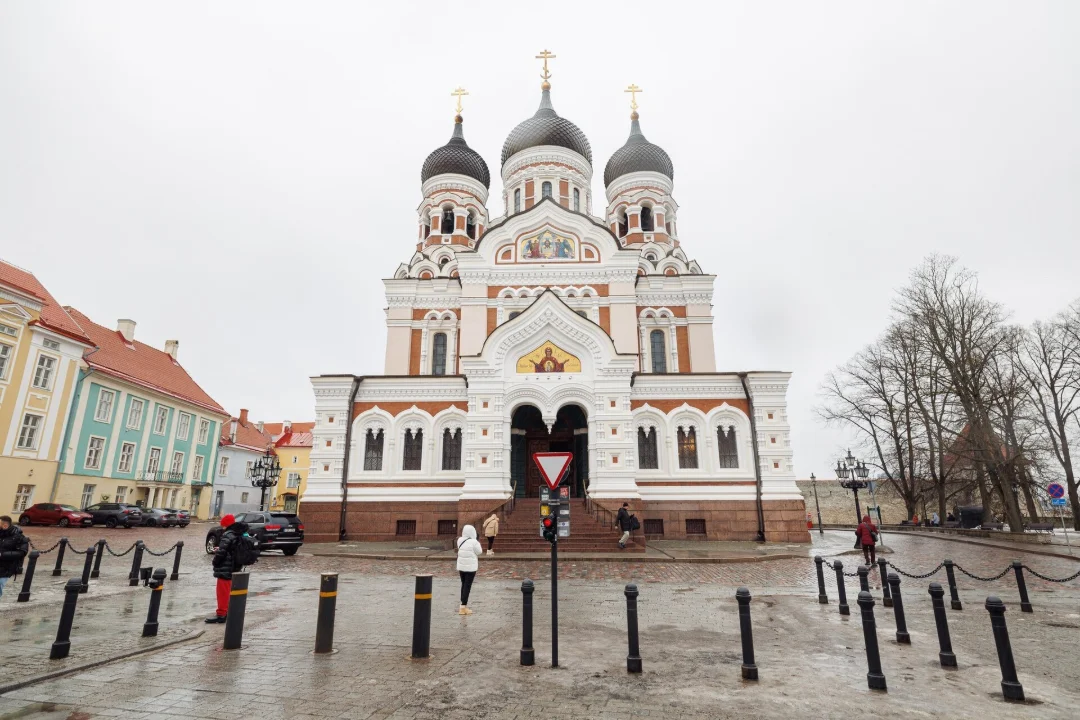
Estonia's Constitutional Court ruled that amendments to the Churches and Congregations Act do not violate the constitution, finding that national security outweighs restrictions on religious freedom. The decision raises sharp questions about the boundary between religious liberty and state security, and clears the way for forced closure of a Moscow-linked church.
EstoniaA recent Constitutional Court ruling has opened the door to the forced closure of a Moscow-linked church in Estonia. The court found that amendments to the Churches and Congregations Act do not conflict with the constitution, despite the fact that they seriously infringe both religious freedom and freedom of association.
Security outweighs religious freedom
The Constitutional Court's position was clear: national security and constitutional order are values that generally outweigh the need to restrict religious freedom. This means that a law allowing the state to intervene in church activities on security grounds is permissible in the court's view.
The question of where exactly the line runs between religious freedom and state security is sharply on the agenda in Estonian public discourse. A critical argument is that certain ties cannot simply be allowed, particularly in a situation where Russia has launched a full-scale war in Ukraine and organisations linked to the Moscow Patriarchate may operate as instruments of Kremlin influence.
What happens next?
In practice, the ruling means that the Moscow-linked church faces real risks of forced closure. The Estonian state now has legal grounds to demand that the church sever ties with the Moscow Patriarchate, or alternatively to initiate the termination of the church's activities.
The debate is far from over. Defenders of church freedom stress that the right of every religious community to operate should be respected and that security arguments should not be applied too broadly. State representatives, meanwhile, point out that this is an exceptional situation in which the risks of foreign influence are tangible.
Open in app →