Moscow playgrounds become instruments of war propaganda
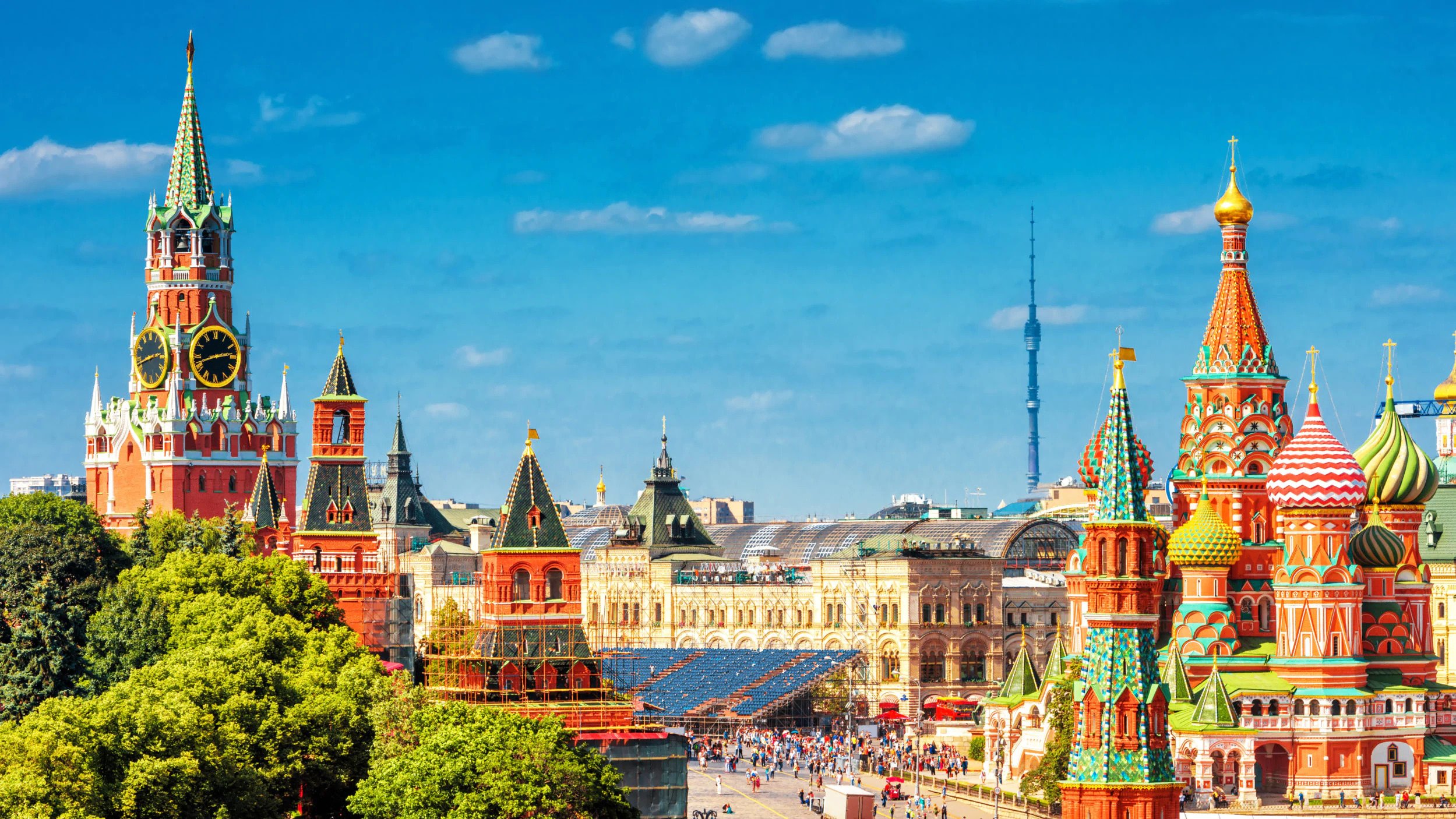
Russian authorities are increasingly pushing militaristic ideology into kindergartens, schools and even playgrounds. Moscow children now have access to play areas dominated by tanks, fighter jets and Kremlin-shaped attractions. Ahead of Children's Day, a photographer documented the transformed urban environment that contemporary Russian children experience daily.
PoliticsMoscow's children's playgrounds have become spaces of militaristic propaganda — toddlers climb on structures shaped like fighter jets, ride carousels depicting tanks, and play in Kremlin-shaped facilities. Ahead of Children's Day, a photographer with the cooperative documented Moscow's playgrounds to record the urban environment in which today's Russian children are growing up.
Propaganda begins on the playground
Russian authorities have spent years intensifying ideological pressure in universities, schools and kindergartens. In the 2020s, the militaristic trend has reached playgrounds as well — particularly accelerated by commemorations marking the 80th anniversary of the end of the Second World War, which gave the state a new pretext to introduce military symbolism into public spaces.
Architecture journalist Asja Zolnikova spoke with both architects who design playgrounds and a child psychologist during the research. Specialists described how a militarized environment affects children's development and the formation of their worldview — a child who grows up surrounded by military attributes internalizes them as a natural part of their everyday reality.
Urban environment as ideological tool
Analysis of Moscow's streetscape reveals that state propaganda is no longer confined to media alone — it has permeated the physical spaces where children spend their free time. The militarization of playgrounds reflects a broader trend whereby the Russian state uses public urban space to shape certain values and attitudes in the population, particularly among the youngest generation.
The material was published by Meduza, Russia's independent news outlet operating outside the country. Many independent media outlets in Russia have been designated as undesirable organizations, making such public observations effectively impossible within the country.
Open in app →