Multiple hats on one head: European politicians' dual roles under the microscope
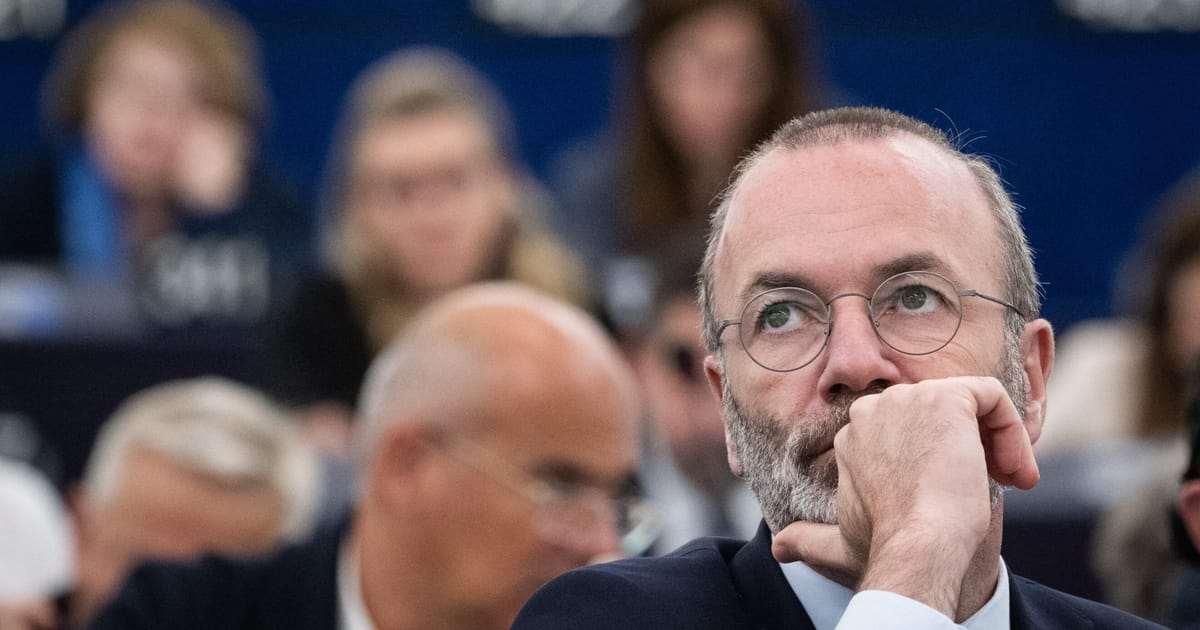
Holding multiple positions simultaneously has become a common practice among European politicians. The cases of Manfred Weber and George Osborne highlight the question of whether one person can effectively fulfil several important roles at the same time.
PoliticsIn European politics, the accumulation of positions has become an increasingly common phenomenon, with a single individual holding several responsible roles simultaneously. Manfred Weber, head of the European Parliament's largest faction, the EPP, is one of the most prominent examples of a politician managing multiple important posts at once.
Yet even Weber's portfolio pales in comparison to the achievements of British politician George Osborne, who has simultaneously worked as a journalist, advisor, and public figure across multiple sectors. Osborne's example raises a fundamental question: where is the line between productive versatility and irresponsibility?
Critics argue that holding too many positions inevitably leads to conflicts of interest and prevents full commitment to each role. When a politician sits on multiple boards while simultaneously holding elected office, the question arises of who he is truly loyal to.
Supporters, on the other hand, argue that diverse experience enriches the decision-making process and that broad networks help implement more ambitious projects. According to them, holding multiple positions simply reflects the fact that some people are exceptionally capable and widely trusted.
At the European level, there are no unified rules limiting the combination of public sector positions with private obligations. To ensure transparency and accountability, several civil society organisations are calling for clearer restrictions to be put in place so that the public interest does not become overshadowed by personal ambition.
Open in app →