Mysterious and untouched: discover the bogs of South Estonia
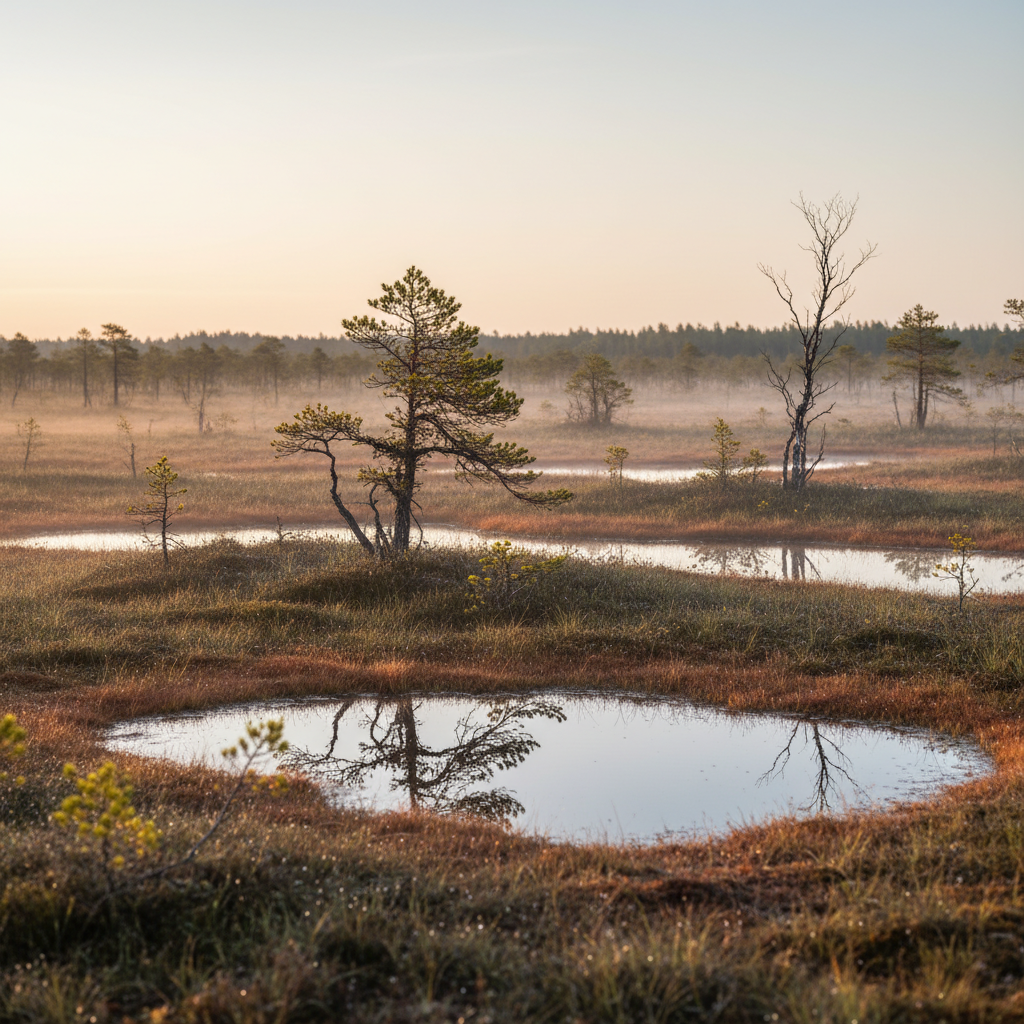
South Estonia's bogs are among the most magical and least-explored landscapes in the country, offering rare wildlife, ancient peat ecosystems, and a refuge from modern life. From the compact boardwalk of Meenikunno bog in Põlvamaa to the wild expanses of Rubina bog in Valgamaa, the region's wetlands reward visitors year-round. Responsible tourism and ongoing restoration projects are key to preserving these habitats for future generations.
CultureSouth Estonia is widely celebrated for its rolling hills, deep lakes, and winding rivers, but the most mysterious part of this landscape lies in its bogs. These are places where time seems to stand still, where the air carries the warm scent of resin, and where a visitor feels simultaneously small and connected to something ancient.
Ancient Ecosystems Frozen in Time
Unlike the flat coastal lowlands of western Estonia, South Estonian bogs are often interwoven with the region's characteristic drumlin terrain. Forests, valleys, and hills surround many of these wetlands, giving them a dramatic backdrop rarely found elsewhere. The peat that has accumulated over millennia acts as an open archive for scientists, preserving ancient pollen, plant remains, and climate data going back thousands of years. For ordinary visitors, that same peat translates into an almost supernatural silence, unbroken by engines or urban noise.
The bogs host rare species adapted to nutrient-poor, acidic conditions. Birdwatchers can spot willow ptarmigan and common cranes, while botanists seek out the carnivorous sundew plant, a tiny predator that supplements its diet by trapping insects on sticky, glistening leaves.
South Estonia's Best Bog Destinations
Meenikunno bog in Põlvamaa is one of the region's crown jewels. A well-maintained boardwalk leads visitors straight into the heart of the bog, and an observation tower offers panoramic views over the entire landscape, a dream destination for photographers, particularly at sunrise when mist drifts across the open pools.
Rubina bog in Valgamaa is wilder and less visited, making it ideal for those seeking genuine solitude. The area is renowned for its exceptional birdlife, and the absence of heavy tourist infrastructure is precisely what keeps it authentic.
Sirtsi bog, straddling the border of Tartumaa, is the most demanding of the three. Its vast, open expanse offers the fullest experience of true bog wilderness, and the near-certainty that your only company will be local wildlife.
Rules of Responsible Bog Walking
Bogs are fragile environments. A single step off a boardwalk can damage a moss layer that took decades to form. Visitors are urged to stay on marked paths, carry out all waste, move quietly to avoid disturbing wildlife, and dress in waterproof layers since these open landscapes offer no shelter from wind or rain. In summer, insect repellent is essential.
Lighting fires is strictly prohibited across bog areas, the peat itself is highly combustible, and the risk of wildfire is severe. Dogs are welcome on most trails but must be kept on a lead at all times.
Climate Guardians Under Threat
Bogs play a critical role in the global climate. Peat locks away vast quantities of carbon, keeping it out of the atmosphere. When bogs are drained, that carbon is released, accelerating climate change. South Estonia has seen numerous restoration projects in recent years, with old drainage ditches being blocked to return bogs to their natural water regime. Conservation organisations describe this work as some of the most important environmental action taking place in Estonia today.
A Landscape for Every Season
Each season transforms South Estonian bogs into an entirely different world. Spring brings migrating waterbirds returning to nest. Summer offers warm, still days perfect for observing bog flora and, where permitted, picking cloudberries and cranberries. Autumn turns the landscape gold and crimson, the most photogenic season, especially when morning frost and mist combine. Winter, finally, freezes the open pools into glass-smooth skating rinks, offering what locals call raba-uisutamine, bog skating, an unforgettable experience in the deep silence of a snow-covered wetland.
South Estonia's bogs are part of the national heritage. They are places where it is still possible to connect with nature in its most primordial form, and with careful stewardship, they will remain so for generations to come.
Open in app →