Navalny Foundation Exposes Russian State Sociology Institute Director's Family Million-Dollar Assets
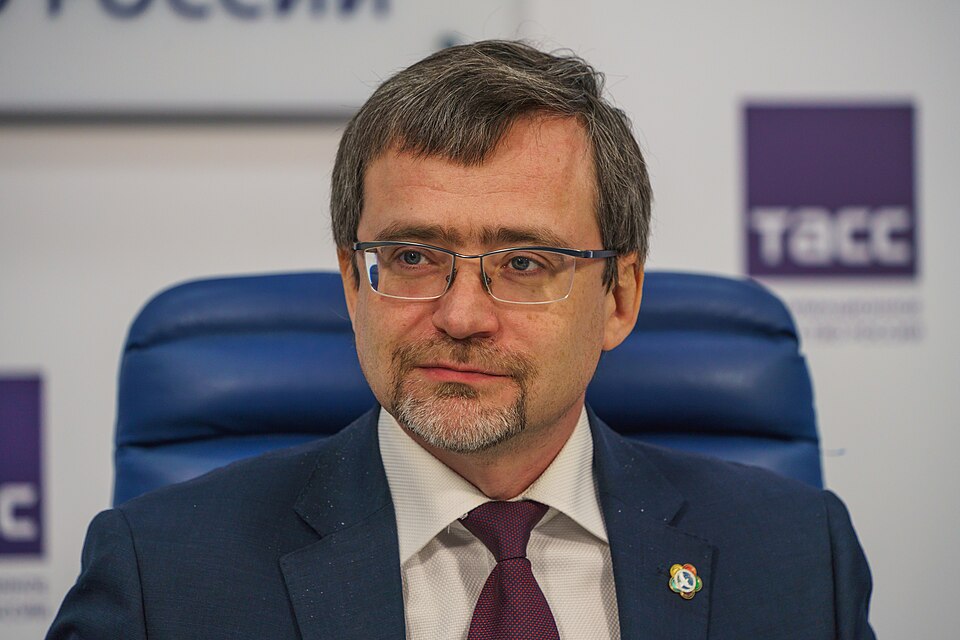
The Navalny Anti-Corruption Foundation (FBK) has uncovered assets belonging to the family of Valery Fyodorov, director of VTsIOM, Russia's state polling agency, worth over 500 million rubles, approximately $7 million. The assets include real estate, vehicles, and luxury goods. The FBK reached this conclusion after analysing financial documents, leaked data, and the Instagram account of Fyodorov's 30-year-old second wife, Darya Vasilyeva.
PoliticsRussia's opposition anti-corruption investigative organisation FBK (Foundation for Fighting Corruption), founded by imprisoned opposition leader Aleksei Navalny who died in state custody, has published an investigation into the family of Valery Fyodorov, director of Russia's state sociology institute VTsIOM. According to the investigators, the family's assets are valued at over 500 million rubles, equivalent to approximately $7 million.
What the investigation revealed
FBK investigators conducted a thorough analysis of financial documents, leaked databases and social media accounts of Fyodorov's second wife, 30-year-old Darya Vasilyeva. The discovered assets include real estate, luxury vehicles and expensive consumer goods. VTsIOM is one of Russia's most prominent state polling organisations, whose findings are widely used by the Kremlin to shape public opinion in support of its policies.
Valery Fyodorov has headed VTsIOM for over two decades, and under his leadership the institute has regularly published surveys that purportedly demonstrate the Kremlin's policies are popular among the public. Critics have long accused VTsIOM of skewing its research in the state's interests.
FBK methods and significance
FBK is known for its thorough investigations into senior Russian officials and associated individuals. The organisation often uses a combination of public sources, leaked databases and social media to reconstruct assets that have not been officially declared. This investigation joins a long list of exposés shedding light on the unexplained wealth of employees in Russia's state structures.
Open in app →