Neeme Väli: What Do We Actually Know About NATO's Situation?
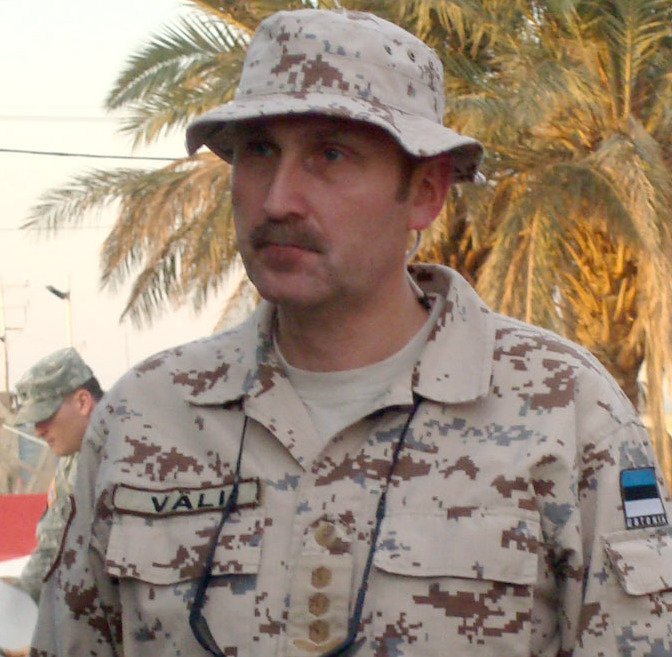
Brigadier General (reserve) Neeme Väli comments on a New York Times report about alleged US plans to reduce troop numbers available to NATO. The news sparked significant reaction in Estonia, but Väli calls for calm analysis. He questions what we actually know about NATO's situation and what we don't.
OpinionA week ago, the New York Times published a story about alleged US plans to reduce the number of troops made available to NATO. Though the message came from anonymous officials, all major Estonian news outlets reported it, and on social media one could observe how this unsettled some commentators.
Brigadier General (reserve) Neeme Väli writes that the reaction was understandable, but calls for asking how much we actually know about NATO's true situation, and how much of the conclusions are based on anonymous sources.
Tempest in a Teacup?
Väli notes that messages relayed by anonymous officials may not reflect final decisions or the alliance's actual military readiness. NATO is a complex organization where military plans and political statements do not always align.
For Estonia, the presence of allies and collective defence guarantees are extremely important-this is beyond dispute. At the same time, we must distinguish between isolated leaked messages and actual strategic direction, which requires more information than a single news story to assess.
What We Know, What We Don't
In the Brigadier General's view, it is important to maintain analytical clarity: panicked reactions to every news snippet do not serve Estonia's security interests. On the contrary, a clear head and informed public debate are what help shape sensible defence policy.
Väli emphasizes that regarding NATO news, one should always ask: who spoke, in what context, and what is the actual evidence for the claim? Until official decisions are made, speculation remains speculation.
Open in app →