New book by NYT journalists reveals Trump's obsessions, grudges, and superglue
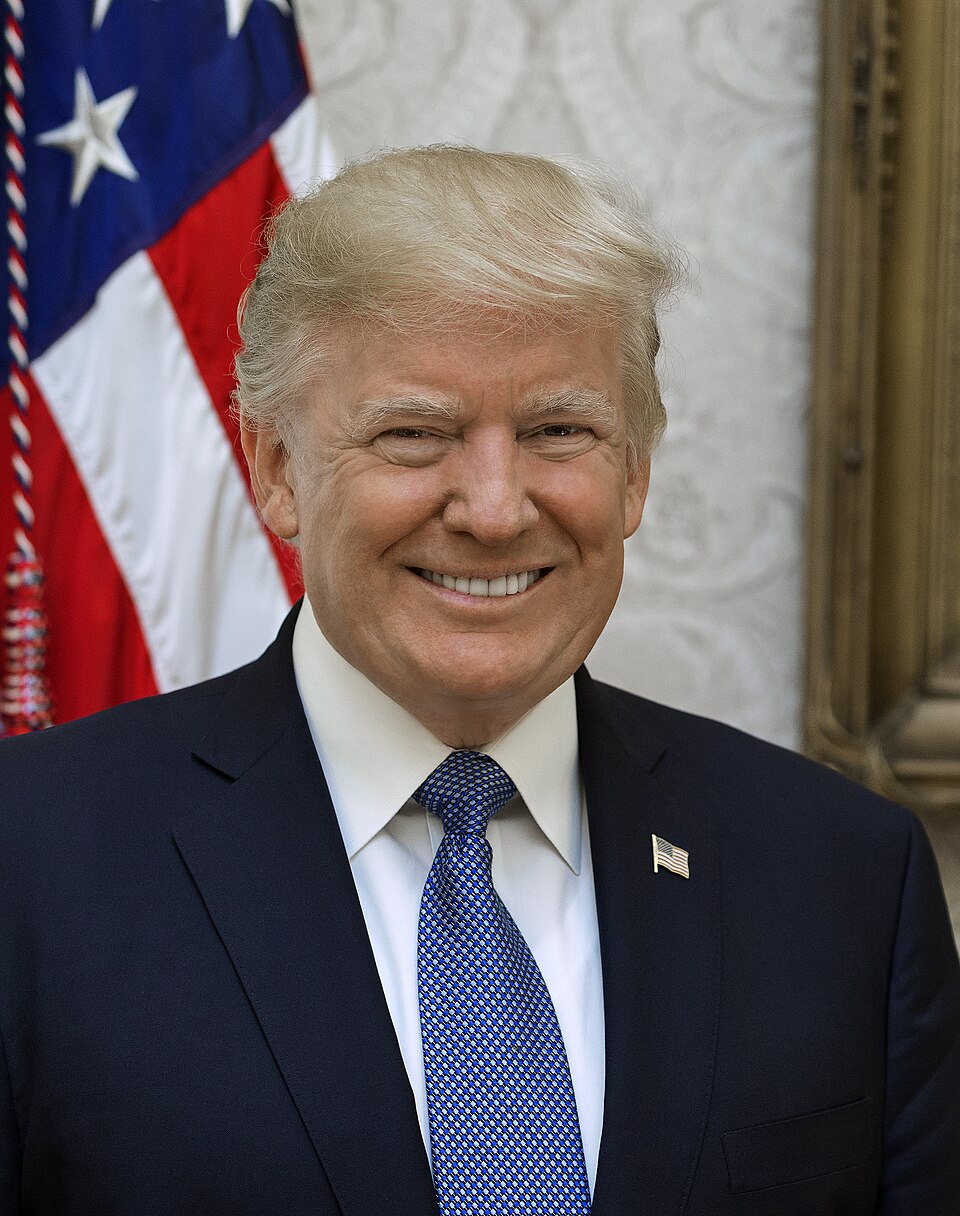
New York Times correspondents Maggie Haberman and Jonathan Swan have written a book titled "Regime Change" based on over a thousand interviews with Donald Trump and his inner circle. The book, released on June 23, 2026, reveals a president obsessed with flattery, revenge, and comparisons to historical conquerors. Among its revelations: Trump embraced a document calling him more powerful than Genghis Khan, and was caught using superglue to redecorate the Oval Office.
PoliticsNew York Times correspondents Maggie Haberman and Jonathan Swan have published a sweeping new book about Donald Trump titled Regime Change, drawn from more than a thousand interviews conducted over three years, including multiple sessions with the president himself. The book went on sale Tuesday, June 23, 2026, though CNN, The Guardian, and The New York Times itself have already published selected excerpts.
The most powerful man in history?
During an interview for the book in March 2026, Trump proudly showed the journalists a document he had received from a self-described "historian." The document claimed Trump was more powerful than Genghis Khan, Napoleon, Stalin, and Hitler, whose power, the author argued, was merely local, while Trump's is global. Comparing himself to Alexander the Great and William the Conqueror, Trump reportedly added: «They didn't have airplanes.»
The authors discovered that the document's author is not a historian at all, but a longtime caddie and confidant of golfer Gary Player, who confirmed he shared his assessment of Trump's power during a personal meeting in Florida. Trump himself later published the document on his Truth Social network. The book also notes that Trump was particularly pleased when major tech leaders, especially Meta's Mark Zuckerberg and Amazon founder Jeff Bezos, began courting his favour after the election, having previously held him in contempt. «They hated me. And look at them now,» Trump reportedly told Elon Musk, who allegedly called the spectacle «first-class humiliation.»
Zelensky visit and a treasury secretary's insults
The book recounts the lead-up to Ukrainian President Volodymyr Zelensky's February 2025 visit to Washington, the one that ended in a now-famous confrontation in the Oval Office. Treasury Secretary Scott Bessent reportedly not only tried to talk Trump out of the meeting, but also spoke about Zelensky in extraordinarily crude terms. «I've dealt with this little shit before. He's cunning. For Europeans, he's like a child with special needs. And he acts like Mr. Bean on crack,» Bessent is quoted as saying.
Yet the book also proves uncomfortable for Bessent himself: it reveals that he once compared Trump to Democratic megadonor George Soros, a remark that, for a Republican, may sting more than a direct insult.
Vance, Rubio, and a loyalty test at dinner
Trump apparently enjoys testing his allies against one another. At a friendly dinner at the White House in October 2025, he asked media mogul Rupert Murdoch to choose between Secretary of State Marco Rubio and Vice President JD Vance, with both men seated at the table. Murdoch said Vance had the potential to be «great» but clearly favoured Rubio, calling him a «genius.»
Trump himself has been frustrated with Vance. After US strikes on Iranian nuclear facilities in June 2025, Trump declared that «Iran's key uranium enrichment facilities were completely destroyed.» Vance reportedly urged him to soften the language but was firmly rebuffed. The next day, when Vance appeared on ABC News and refrained from repeating the word «destroyed,» Trump was furious, insisting that everyone around him must use his exact phrasing.
A president who never forgets
The book paints a portrait of a leader consumed by grievances. In spring 2025, Trump struggled to remember the name of a former administration official he believed had vouched for the legitimacy of the 2020 election, an election Trump refuses to accept he lost. National Security adviser Stephen Miller, described by the NYT as Trump's «keeper of grievances,» helped identify the man as Chris Krebs. Within days, the White House issued an order directing the Justice Department to investigate him.
In a lighter but telling anecdote, press secretary Caroline Leavitt once walked into the Oval Office to find the president personally applying superglue to the marble mantelpiece, attempting to attach new decorations. According to the book, no one in Trump's inner circle was remotely surprised.
Open in app →