New Book Reveals the True Horror of Stalin-Era Collectivisation in Estonia
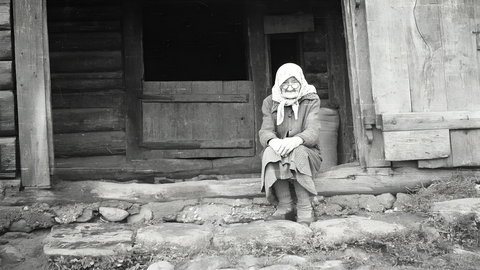
Senior researcher Heiki Pärdi from the Estonian Open Air Museum has published a book that examines collectivisation in Estonia during the final years of Stalin's rule. The work describes how rural people lost their land, property and traditional way of life, forced into kolkhoz slavery. The book takes readers into one of the most difficult periods of recent Estonian history.
CultureSenior researcher Heiki Pärdi from the Estonian Open Air Museum has published a new book that delves into one of the darkest chapters of recent Estonian history, the final years of Josef Stalin's rule, when rural people lost everything.
Land, Property and Freedom
The work describes the collectivisation process through which Estonian rural dwellers lost their land, property and their entire way of life. As the author emphasises, this was not merely an economic change, it was the destruction of an entire world. People were forced to join kolkhozes and work under conditions that left them with minimal independence and decision-making power.
Pärdi's approach resembles a visit to a disaster site; the reader is taken directly into the heart of events to understand how it all happened and what it meant for ordinary people. The book is based on both archival materials and people's memories, creating a detailed picture of life in Estonian rural areas at that time.
Why This Story Matters Today
The work by the Open Air Museum's senior researcher offers more than a historical overview. It helps us understand how forced collectivisation left lasting scars on Estonian rural life and society, the consequences of which we still feel in part today. Stalin-era kolkhoz rule lasted for decades in Estonia and fundamentally changed both the demographics of rural areas and people's relationship with the land.
The book appears at a time when interest in recent Estonian history remains strong, and Pärdi's work makes an important contribution to this discussion.
Open in app →