New EU packaging regulation threatens to drive up food prices in Estonia
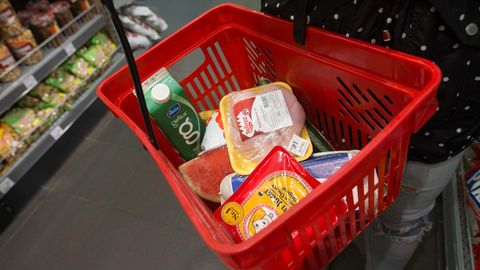
A new EU packaging and packaging waste regulation takes effect in August 2026, which according to the Estonian Food Industry Association will bring additional costs and bureaucracy. While the regulation's goals are ambitious, unclear requirements and tight deadlines will make food even more expensive for Estonian consumers. Food prices are already high in Estonia, making the impact of the new regulation particularly acute.
EconomyThe European Union's new packaging and packaging waste regulation will come into force in August 2026 and will bring significant changes for the food industry. The Estonian Food Industry Association warns that although the regulation's environmental goals are ambitious, its practical consequences could mean even higher food prices for Estonian consumers.
Unclear requirements, tight deadlines
According to the Food Industry Association, one of the main problems is the regulation's unclear requirements, which leave producers with too little time to prepare. Short deadlines combined with added bureaucracy create serious difficulties for both small and large food producers. These costs will inevitably be passed on to consumers through higher product prices.
Estonia has been one of Europe's fastest-growing food price markets in recent years, making every additional cost pressure particularly painful for ordinary households.
Green ambitions versus real costs
The EU packaging regulation is part of the broader European Green Deal package, aimed at reducing packaging waste and increasing the share of recyclable materials. In principle, food producers support more sustainable solutions, but criticism focuses mainly on the pace of implementation and the clarity of requirements.
The Estonian Food Industry Association emphasises that without extended transition periods, clearer guidance and financial support, the entire burden falls on producers and ultimately consumers. The Association is calling on the Estonian government to actively push for Brussels to take into account the real needs of companies in member states.
Open in app →