New scanning technique offers hope for faster endometriosis diagnosis
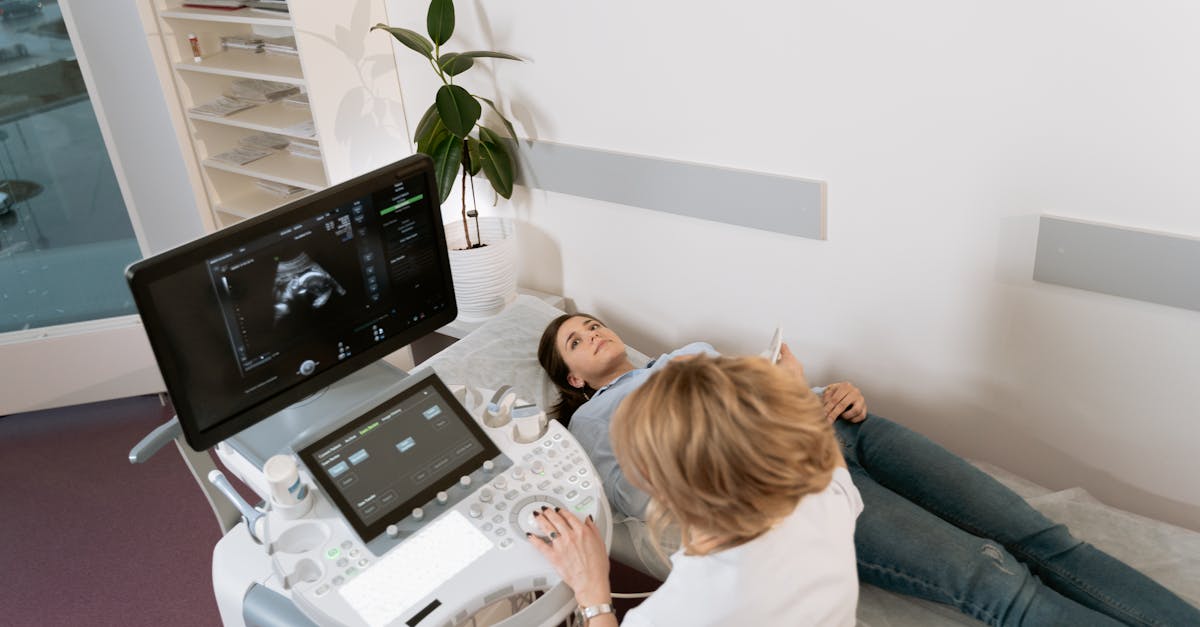
Researchers have developed an advanced scanning technique that could detect endometriosis cases that are often missed by conventional diagnostic methods. The breakthrough technology may significantly reduce the years many women currently wait for an accurate diagnosis of this painful condition.
TechnologyEndometriosis, a condition where tissue similar to the uterine lining grows outside the uterus, has long been difficult to diagnose accurately. Currently, women often endure years of uncertainty and suffering before receiving a proper diagnosis, during which time the condition can worsen and impact fertility. Scientists have now developed a new scanning technique that shows promise in identifying areas of endometriosis that conventional imaging methods frequently overlook.
The innovative scanning approach represents a significant advancement in medical diagnostic technology. By detecting lesions and affected areas that traditional scans miss, the new technique could dramatically shorten diagnostic timelines and allow patients to begin appropriate treatment much earlier. This is particularly important given that endometriosis affects millions of women worldwide and can have serious consequences for quality of life and reproductive health if left untreated.
Experts believe this technological breakthrough could transform how medical professionals approach endometriosis diagnosis. The ability to accurately identify the condition through improved imaging means women would no longer need to navigate multiple inconclusive appointments and prolonged uncertainty. Early detection enabled by this new scanning method could lead to faster pain management and more effective treatment options tailored to each patient's specific presentation of the disease.
The development of this diagnostic tool reflects broader advances in medical imaging technology that aim to improve patient outcomes. As the technique undergoes further clinical validation and refinement, it has the potential to become a standard part of endometriosis screening protocols in hospitals and clinics worldwide. This could represent a turning point in how medical systems address a condition that has historically been underdiagnosed and undertreated.
Open in app →