Nissan Cuts 900 European Jobs, Closes UK Production Line
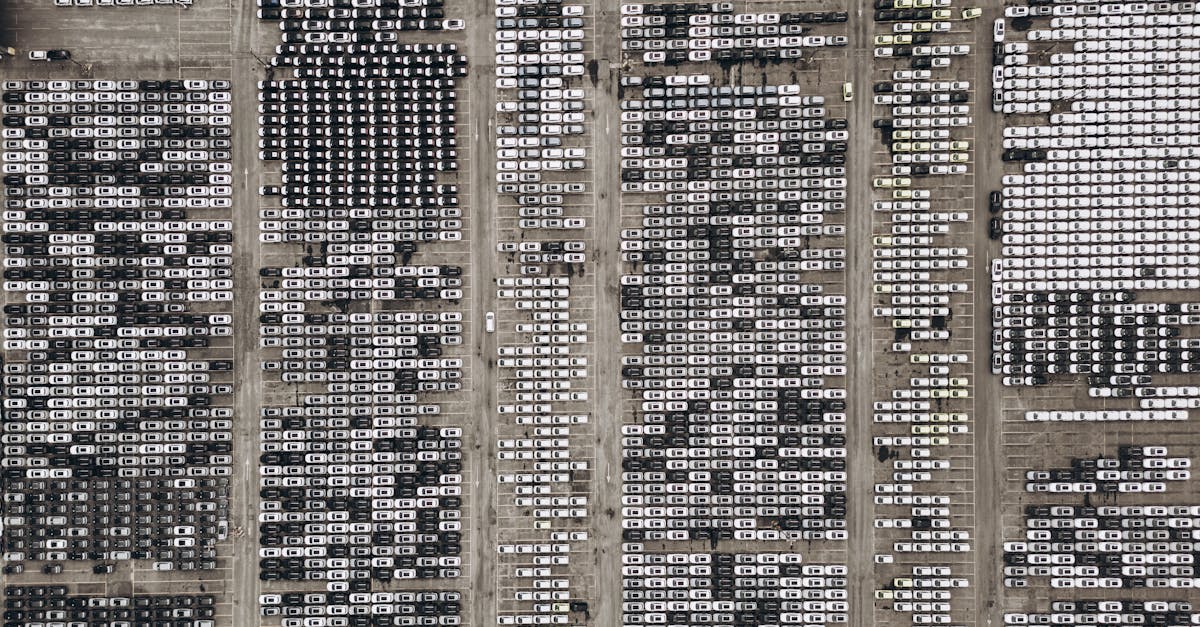
Japanese automaker Nissan announced the closure of its UK production line and elimination of 900 jobs across Europe as part of a major restructuring. The company stated it is exploring partnerships with third parties to maximize utilization of its Sunderland plant in England.
EconomyNissan has announced a significant downsizing of its European operations, including the closure of its primary production line in the United Kingdom and the elimination of 900 jobs across the continent. The restructuring marks a major shift in the company's European strategy as it faces mounting pressures from electric vehicle competition and shifting market demands.
The Sunderland plant in England, which has been a cornerstone of Nissan's UK manufacturing presence, will cease production on its main line. The company indicated that rather than shutting down the facility entirely, it is actively exploring options to partner with third-party manufacturers who could utilize the plant's capacity and infrastructure to maintain some level of production activity.
This move reflects broader challenges facing traditional automakers in Europe, where the transition to electric vehicles and changing consumer preferences have forced numerous manufacturers to reassess their production footprints. Nissan's decision also comes amid economic uncertainties affecting the automotive sector across the region.
The company's leadership emphasized that the restructuring is necessary to ensure long-term competitiveness and sustainability in a rapidly transforming industry. While specific details about which European locations beyond Sunderland would be affected remain limited, the 900-job reduction represents a substantial impact on Nissan's workforce across the continent.
The announcement signals a potential new chapter for the Sunderland facility, which could transition from a Nissan-operated manufacturing hub to a site offering production capacity to other automotive partners. This strategy allows Nissan to preserve its physical infrastructure while reducing operational costs and workforce expenses.
Open in app →