"Oil rain" falls on Moscow: what is causing the dark, greasy downpours?
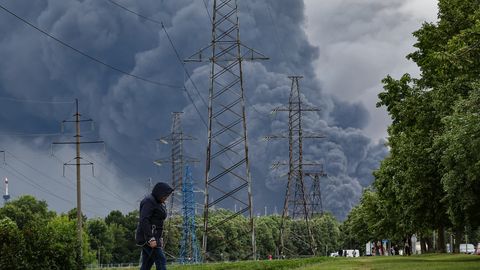
Residents near Moscow have been sharing photos on social media of cars, windows, and streets coated in a dark, oily film. The phenomenon, dubbed "oil rain" or "black rain," leaves greasy stains and the smell of burnt fuel on surfaces. The unusual weather event has a real explanation rooted in recent events above the Russian capital.
PoliticsResidents in and around Moscow woke up in recent days to an unsettling sight: their cars appeared drenched in oil, and the air carried the sharp smell of burnt fuel. The strange occurrence quickly spread across Russian social media, where locals began calling it "oil rain" or "black rain."
What people are seeing
Multiple eyewitnesses and media outlets have reported that rain falling over the Moscow region is leaving oily, dark stains on cars, windows, and pavements. The residue is not simply dirt or dust, it has a distinctly greasy texture and the unmistakable odour of combusted petroleum products. Photographs circulating online show vehicles that look as though they have been splashed with engine oil.
A real phenomenon with a real explanation
As bizarre as "oil rain" sounds, the phenomenon has a straightforward scientific explanation. When petroleum-based substances are burned at high temperatures, fine aerosolised droplets and soot particles rise into the atmosphere. Once airborne, these particles can mix with water vapour and eventually fall back to earth when it rains. The resulting precipitation carries traces of hydrocarbon residue, hence the oily film left behind.
The key question is what has been burning intensely enough near Moscow to seed clouds with petroleum particles on this scale. Observers and analysts have pointed to recent events in the skies over the Russian capital, suggesting that drone interceptions and related fires at fuel infrastructure could be contributing factors. Large fires involving petroleum products release exactly the kind of aerosol particles that can end up in precipitation downwind of the blaze.
Why it matters
The "oil rain" phenomenon serves as a visible, tangible reminder to Moscow's residents of the wider conflict unfolding around them. While Russian authorities have not officially commented on the cause of the oily residue, the images circulating on social media have made it difficult to ignore the connection between aerial incidents over the capital region and the unusual atmospheric conditions that follow.
Environmental and health concerns have also been raised. Hydrocarbon-laden rain is not considered safe, and prolonged exposure to air carrying fine combustion particles poses risks particularly for people with respiratory conditions.
Open in app →