Ombudsman Madise: Prison Guards Must Engage More with Suicidal Inmates
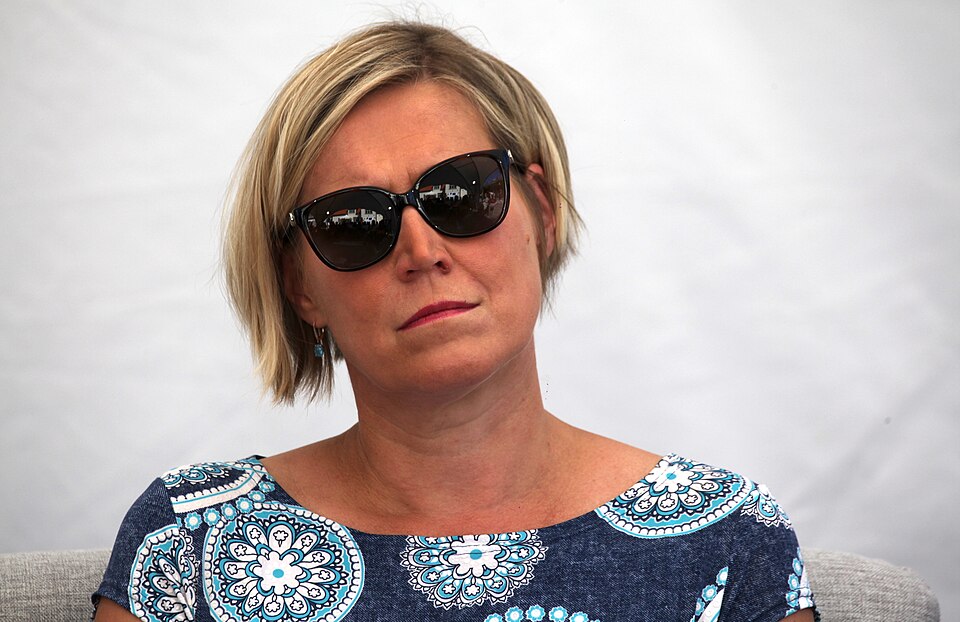
Ombudsman Ülle Madise sent an appeal to the Ministry of Justice and Digital Affairs and three Estonian hospitals, demanding improved oversight of suicidal inmates and those in solitary confinement. Between September 2024 and September 2025, five people died in Estonian prisons, three of whom took their own lives.
EstoniaOmbudsman Ülle Madise has appealed to the Ministry of Justice and Digital Affairs and three Estonian hospitals, calling for improved daily monitoring of inmates at suicide risk and those in solitary confinement, and ensuring meaningful human contact with them.
Five deaths over one year
Madise pointed out in her appeal that between 1 September 2024 and 1 September 2025, five people died in Estonian prisons. Three of them took their own lives and two died as a result of health problems. In addition, prison staff discovered that a person brought to sober up by the Police and Border Guard Board (PPA) was found dead in a bus that had entered the prison grounds.
These incidents raise the acute question of how prison healthcare workers and guards recognise crisis situations and how they interact with suicidal individuals.
Ombudsman's recommendations
Madise emphasises that healthcare workers in prisons should more effectively ensure regular monitoring of those in solitary confinement. Video surveillance alone is not enough; direct, human contact is needed, which allows prison staff to notice changes in an inmate's mental health condition.
The appeal is directed at hospitals associated with Viru, Tallinn and Tartu prisons, which are responsible for providing healthcare services to inmates. The Ministry of Justice and Digital Affairs is also expected to take measures to improve work arrangements, including staff training and protocols for crisis situations.
Broader context
Solitary confinement is an internationally recognised situation of high suicide risk. UN Mandela Rules and Council of Europe guidelines emphasise that for inmates in isolation for more than 22 hours per day, more intensive psychological support and regular contact with healthcare workers must be ensured.
Mental health support in Estonian prisons is organised in cooperation with hospital psychologists, psychiatrists and social workers, but according to the ombudsman, this is currently insufficient. Madise also points to the need to improve communication with inmates' relatives in cases of death and to strengthen internal control mechanisms.
Open in app →