OpenAI, Google and SpaceX Build Their Own Chips, Nvidia's Monopoly at Risk
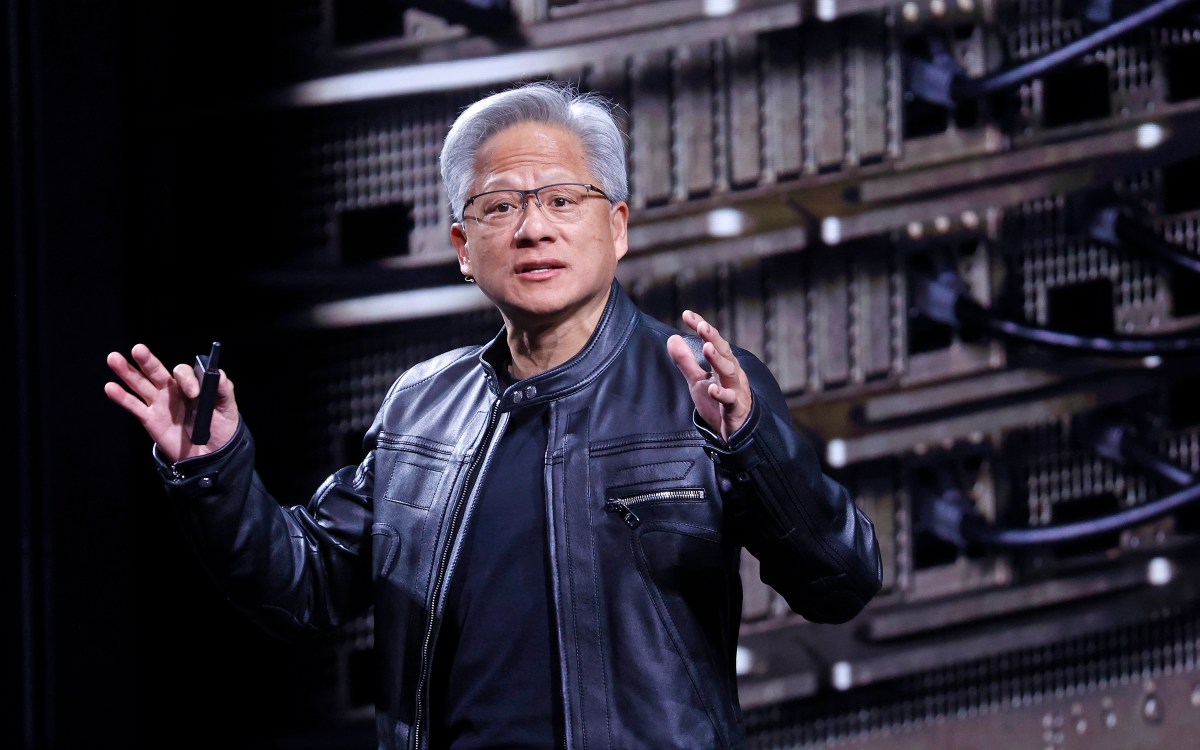
Nvidia's position dominating the AI chip market for years is under pressure as more technology giants decide to produce their own custom chips. OpenAI recently announced plans for its custom inference chip Jalapeño, developed in collaboration with Broadcom. Google, Apple and SpaceX have already taken the same path.
TechnologyNvidia has dominated the AI chip market for years, but that era may be coming to an end. An increasing number of major companies are deciding to invest in developing their own custom chips, reducing their dependence on a single supplier.
OpenAI Joins the Chip Makers
OpenAI recently unveiled plans to create its own custom inference chip called Jalapeño, developed in collaboration with semiconductor firm Broadcom. With this, OpenAI joins Google, Apple and SpaceX among a growing list of companies that have decided to invest in their own silicon.
The goal is not to completely part ways with Nvidia, but rather to mitigate risks. Custom chips give companies greater control over their hardware, allow them to optimise performance for specific use cases, and reduce vulnerability to supply chain disruptions.
Apple's Intel Moment as Inspiration
A prime example is Apple, which abandoned Intel chips in favour of its M-series processors, a move that gave the company a significant performance and energy efficiency advantage. Now OpenAI and other AI firms hope to replicate a similar breakthrough in the AI computing space.
Custom silicon means hardware tailored precisely to a specific company's models and workflows, a critical advantage in a situation where AI model training and inference costs are astronomical.
What Does This Mean for Nvidia?
Nvidia's position won't disappear overnight. The company's H100 and Blackwell chips remain the industry standard for AI, and demand exceeds supply. But in the long term, the spread of custom chips means Nvidia must compete not only with AMD and Intel, but also with its largest customers.
The trend shows that the AI industry is maturing: companies no longer simply want to buy the best available chips, but rather shape hardware themselves that fits their exact needs.
Open in app →