Opinion: Pope Leo XIV warns that Estonia's digital state is built on borrowed foundations
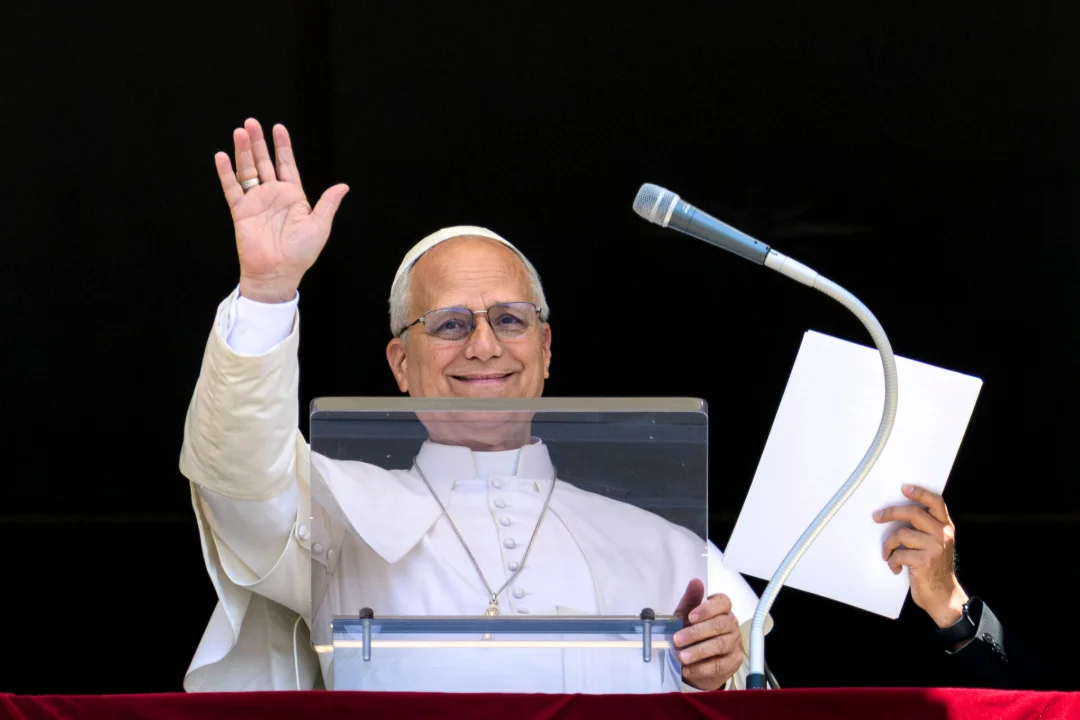
Pope Leo XIV's first encyclical raises urgent questions about technological development and who truly controls the digital systems humanity is building. Columnist Leen Selart draws a direct line between the Pope's warning and Estonia's celebrated digital state, arguing that even the world's most advanced e-government is built on foundations it does not own.
OpinionIn his first encyclical, Pope Leo XIV does something unexpected for a head of the Catholic Church: he addresses not only the faithful and clergy, but software developers and technology builders. His central question — "What are we building?" — sounds deceptively simple. His answer is anything but reassuring.
The Pope's concern, as columnist Leen Selart reads it, is that humanity is constructing systems over which it has ever less meaningful control. The warning lands with particular weight when applied to Estonia, a country that has staked a significant part of its national identity and international reputation on being a pioneering digital state.
A Digital Pride Built on Sand?
Estonia's e-government — from digital ID cards to i-Voting to the X-Road data exchange layer — is the envy of dozens of nations and a major export product of Estonian soft power. Yet Selart's analysis, drawing on the papal text, raises an uncomfortable question: how much of this impressive edifice rests on infrastructure, platforms, and code that Estonians do not themselves own or ultimately control?
The dependency runs deep. Cloud services, cryptographic standards, semiconductor supply chains, and dominant operating systems are controlled by a handful of corporations and states that are not Estonia. A digital ID that cannot function without American cloud infrastructure, or an AI-assisted government service built on a foreign large language model, is sovereignty with an asterisk.
The Dead Man's Switch Problem
Selart invokes the metaphor of a "dead man's switch" — a control mechanism that activates when its operator loses the ability to function. The implication is pointed: what happens to Estonia's digital state if the external actors who supply its technical foundations change their terms, face their own crises, or simply decide to pull the plug?
This is not a hypothetical. Debates within NATO and the EU about strategic autonomy in technology, the weaponization of software and chip exports in geopolitical conflicts, and the rapid rise of AI systems that no single government fully understands all point in the same direction the Pope is gesturing toward.
Pope Leo XIV's encyclical may have been written for a global Catholic audience, but its core anxiety about technological dependency and diminished human agency over the systems we build reads like a challenge directed squarely at digital optimists everywhere — including in Tallinn.
Open in app →