Outback Toilet Mishap Highlights Remote Area Infrastructure Risks
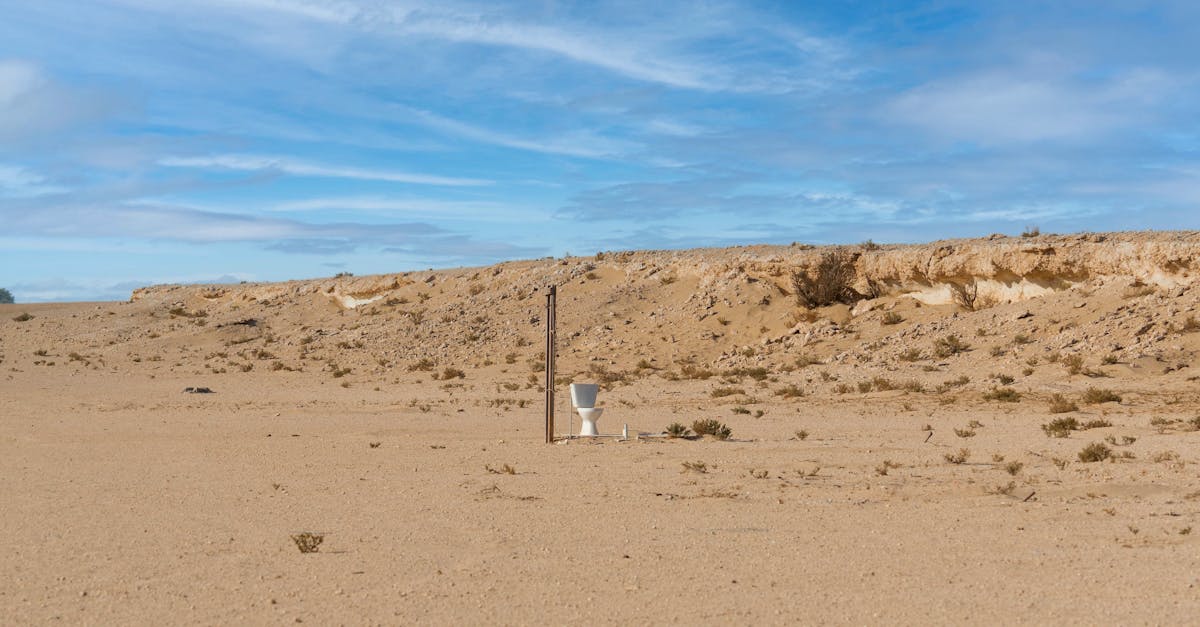
A woman in Australia's outback experienced a harrowing three-hour ordeal after a pit latrine collapsed beneath her, leaving her trapped waist-deep in waste. The incident underscores serious infrastructure challenges facing remote communities across the country.
OpinionAn unusual incident in Australia's remote outback has drawn attention to the dangers of aging sanitation infrastructure in isolated areas. A woman found herself in a precarious situation when the pit latrine she was using suddenly gave way, trapping her waist-deep in the waste pit for approximately three hours.
The collapse exposed vulnerabilities in the basic facilities that many outback residents depend on daily. Pit latrines, while common in remote Australian communities where traditional sewage systems are impractical or unavailable, require regular maintenance and structural monitoring to prevent such dangerous failures. This incident raises questions about inspection protocols and safety standards for these essential facilities.
Local authorities and emergency services responded to extract the woman from the pit, a challenging rescue operation that required careful coordination to ensure her safety and prevent further injury. The experience, though undoubtedly traumatic, has sparked broader discussions about infrastructure maintenance in outback settlements.
The event serves as a reminder that communities in remote regions often face unique infrastructure challenges that differ significantly from urban areas. Authorities in Australia now face pressure to implement more rigorous safety inspections and maintenance schedules for pit latrines and similar facilities used by residents in the outback, ensuring that essential services remain both functional and secure.
This incident highlights the need for improved investment in basic infrastructure maintenance across Australia's remote regions, where residents have limited alternatives and must rely on these facilities for their daily needs.
Open in app →