Peak District: From Mass Trespass to National Park Icon
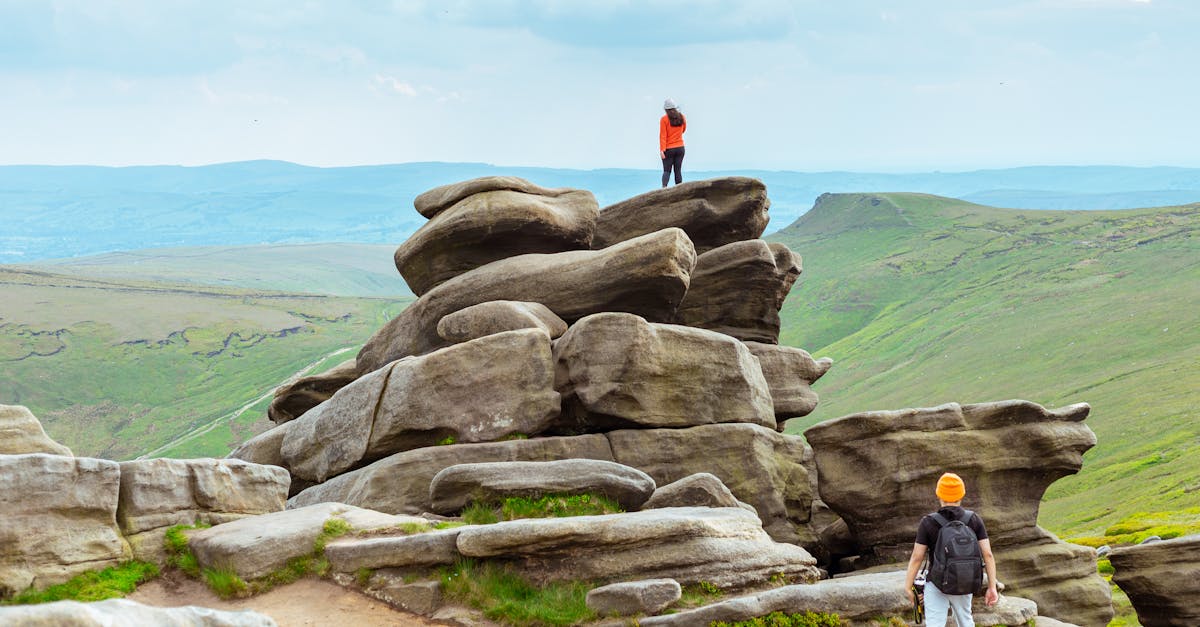
The UK's Peak District became the nation's first national park 75 years ago, marking a significant milestone in British conservation history. However, the region's popularity with tourists stretches back much further, driven by dramatic landscapes, historical industrial heritage, and a famous mass trespass movement that challenged access restrictions.
CultureThe Peak District in England achieved a historic distinction seven and a half decades ago when it was designated as the United Kingdom's first national park. This milestone represented a turning point in British environmental protection and public access to natural spaces. However, the story of how this region became one of the nation's premier tourist destinations reveals a more complex history of conflict, determination, and gradual transformation that predates the official national park status by generations.
Long before the Peak District received its formal national park designation, the area was already drawing visitors through its distinctive natural features and industrial heritage. The dramatic limestone and gritstone landscapes, combined with the region's rich history of lead and copper mining, created a unique appeal that attracted explorers, hikers, and curious travelers throughout the 18th and 19th centuries. The development of railway connections to towns surrounding the Peak District further accelerated visitor numbers, making what was once a remote and inaccessible region far more reachable for ordinary people seeking recreation and scenic beauty.
A pivotal moment in the Peak District's tourism history came through the famous mass trespass movement, an act of civil disobedience that fundamentally changed perceptions about public access to natural spaces. Large groups of walkers deliberately traversed private moorland areas that had been restricted to the general public, challenging the landowners' exclusive control over these landscapes. This defiant action, met with both public sympathy and official resistance, highlighted tensions between private property rights and the public's desire for open access to natural beauty. The movement ultimately influenced policy discussions about who should have the right to enjoy England's countryside.
The designation as a national park 75 years ago formalized what had already become reality through decades of incremental visitor growth and cultural shifts. The Peak District's status as the first national park in Britain underscored the growing recognition that natural landscapes of exceptional beauty deserved protection and should be accessible to the broader population. Today, the region continues to attract hundreds of thousands of visitors annually, drawn by everything from rugged hiking trails and historic villages to its distinctive local character and the names of its distinctive geographical features.
Open in app →