Physical Intelligence's New Robot Brain Learns Tasks Without Training
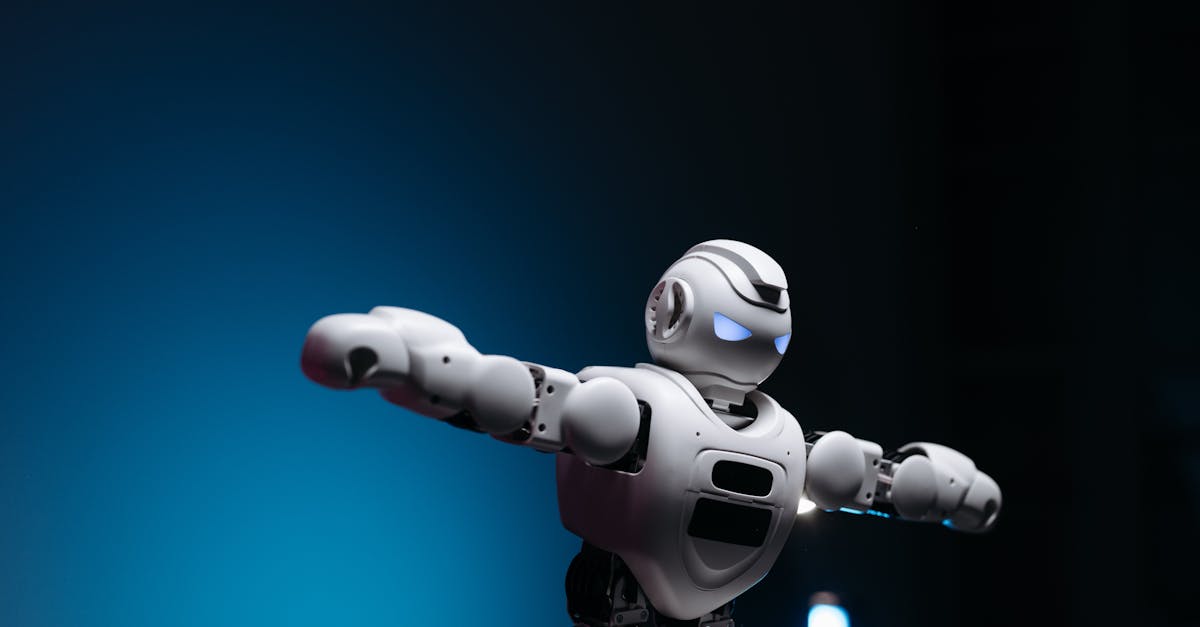
Physical Intelligence, a robotics startup, has unveiled 0.7, a novel robot brain model that can perform tasks it was never explicitly taught. The breakthrough represents progress toward developing a general-purpose robot brain capable of adapting to diverse real-world situations.
TechnologyPhysical Intelligence, a prominent robotics startup, has announced the development of 0.7, an advanced robot brain model designed to learn and execute tasks without prior specific training. This technological advancement marks a significant milestone in the pursuit of general-purpose robotic systems that can adapt flexibly to varied environments and challenges.
The new model represents what the company describes as an early but meaningful step toward achieving a long-sought goal in robotics: creating a brain capable of controlling robots across different physical tasks and scenarios. Rather than requiring extensive programming or training for each specific task, 0.7 demonstrates the ability to understand and execute novel instructions based on its underlying knowledge framework.
The development of such technology could have broad implications for robotics applications across manufacturing, logistics, healthcare, and research sectors. General-purpose robot brains could potentially reduce the time and cost associated with deploying robots for new tasks, making automation more accessible and flexible for various industries.
Physical Intelligence's approach contributes to a broader industry trend where companies and research institutions are investigating machine learning and artificial intelligence solutions to enhance robot autonomy and decision-making capabilities. The success of 0.7 suggests that the robotics sector is moving closer to systems that can generalize knowledge across different physical tasks.
Open in app →