Pineapple, supermarket's vitamin bomb with a rich history
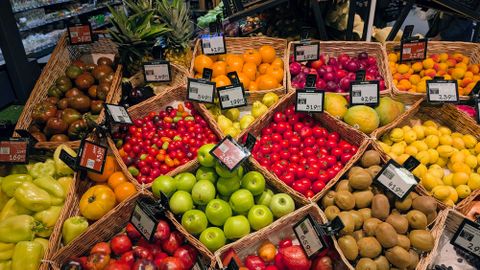
Pineapple is a widely available tropical fruit found in every store today. Once considered a rare luxury item, it now appears in most supermarkets. Beyond its pleasant taste, pineapple has multiple health benefits.
CulturePineapple is now a staple in almost every supermarket's fruit and vegetable section, but its journey to becoming an ordinary grocery item has been long and interesting. In the past, pineapple was considered one of the most exclusive food commodities in the world, affordable only to the richest.
Today, pineapple is consumed in various forms: fresh, canned, and frozen. The fruit's popularity worldwide continues to grow, as in addition to its sweet-tart taste, it has health benefits. Pineapple is a rich source of vitamin C, manganese, and fibre, making it a true vitamin bomb.
Special attention is drawn to the enzyme bromelain found in pineapple, which is believed to have anti-inflammatory and digestive-promoting properties. Scientists have investigated bromelain-based supplements and their potential health benefits, although many of the more specific effects still require confirmation.
Whether to eat pineapple fresh or canned is often a question that sparks discussion at home. Fresh pineapple retains more nutrients, but the canned variety is convenient and readily available. Either way, it is nutritionally valuable food that deserves a regular place on the dinner table.
Open in app →