Plant-based insect repellents: how to protect yourself naturally on Midsummer's Eve
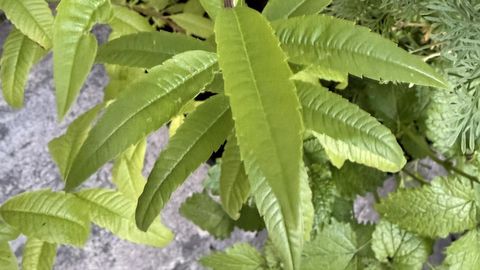
On Midsummer's Day and throughout the summer, dealing with mosquitoes, flies and ants is unavoidable. Scientists have identified several plants containing essential oils that have effective insect-repelling properties. Most of these plants do not grow naturally in Estonia.
CultureMidsummer's celebrations bring Estonians outdoors, but warm summer evenings also attract annoying insects. Mosquitoes, flies and ants can spoil a party, but instead of chemical repellents, it's worth considering natural alternatives.
Research has shown that several plants containing essential oils can effectively repel insects. These natural compounds work on the sense of smell and taste of mosquitoes and other insects, making humans less attractive to them.
Which plants work?
The most well-known natural insect repellents are lemongrass, eucalyptus, lavender and neem oil. Most of these plants come from more tropical regions and do not grow naturally in Estonia, but their essential oils can be obtained from pharmacies and natural cosmetics shops.
Plant-based insect repellents can be used in several ways: applied diluted to the skin, diffused in a room using an aroma diffuser, or grown as plants on the balcony and near windows. It is important to remember that essential oils must always be diluted with a carrier oil before applying to the skin, as concentrated forms can irritate the skin.
Safe alternative for the whole family
Plant-based solutions are particularly valuable for those who want to avoid synthetic chemicals like DEET. Natural insect repellents work well for use around children and pets, although it's advisable to check the safety of the specific product before use.
When sitting around a Midsummer's bonfire, placing bundles of lavender or eucalyptus near the fire can also help repel insects; the smoke carries aromatic compounds into the air and helps keep mosquitoes away. This simple trick is both ecological and effective.
Open in app →