Pregnancy vaccine cuts infant RSV hospitalizations by 80%
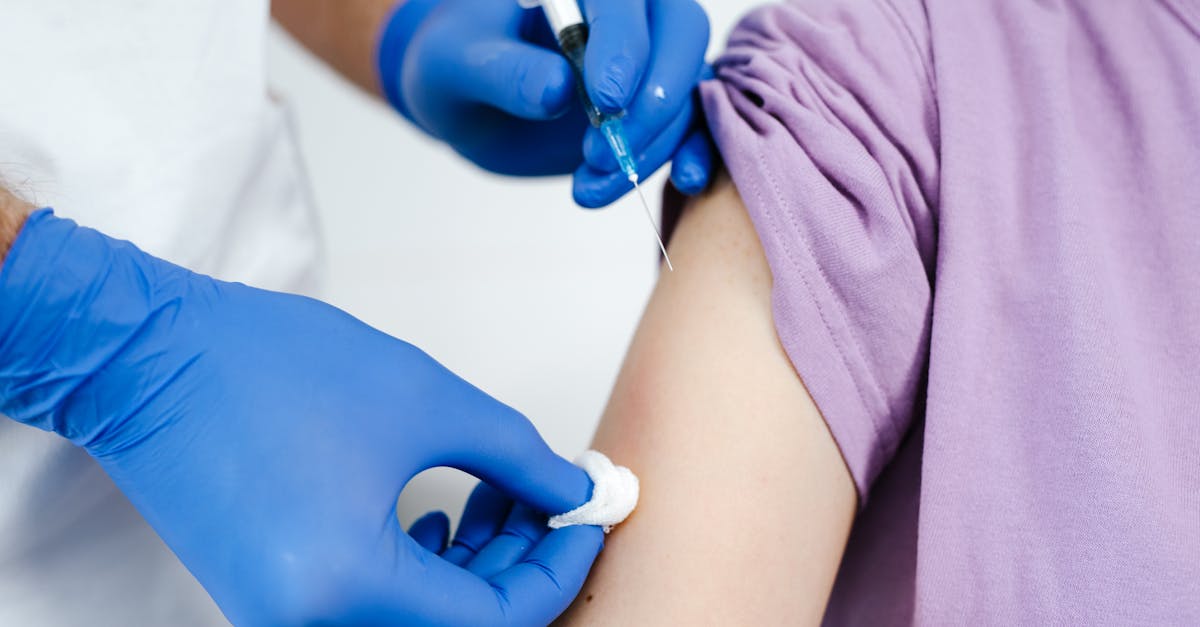
A new clinical study demonstrates that administering a respiratory syncytial virus vaccine during pregnancy provides substantial protection for newborns against severe RSV infections. The vaccine reduces hospital admissions for RSV-related chest infections in infants by approximately 80%, offering a significant advancement in preventive medicine.
TechnologyA major clinical study has confirmed the effectiveness of a novel respiratory syncytial virus (RSV) vaccine administered during pregnancy, showing an 80% reduction in hospital admissions for RSV-related illnesses in newborns. The research represents a breakthrough in maternal immunization strategies, providing mothers with a tool to protect their infants during the critical early months of life when RSV infections pose the greatest risk.
RSV is a common respiratory virus that causes particularly severe complications in very young babies, leading to bronchiolitis and other serious chest infections that frequently require hospitalization. Infants under six months of age are especially vulnerable to severe RSV disease, as their immune systems are not fully developed. The vaccine works by boosting maternal antibodies that are then transferred to babies across the placenta, providing passive immunity during the first months of life.
The study results indicate that the vaccine not only reduces the likelihood of RSV-related hospitalizations but also demonstrates excellent overall safety profiles in pregnant individuals. This protective mechanism represents an important alternative to other RSV prevention strategies that rely on monoclonal antibody administration after birth. Healthcare providers now have a preventive option that can be deployed during pregnancy to safeguard vulnerable newborns before they are exposed to the virus in community settings.
The findings are expected to influence immunization guidelines globally, potentially leading to routine RSV vaccination recommendations for pregnant women in their third trimester. Medical experts suggest this approach could substantially decrease the burden of severe RSV disease in infants, reducing healthcare costs and preventing serious complications in thousands of newborns annually. The vaccine's effectiveness in clinical trials suggests it may become a standard component of prenatal care in many countries.
Open in app →