Priit Tammeraid: Is Tallinn ready to take responsibility if a historic pylon becomes a hazard?
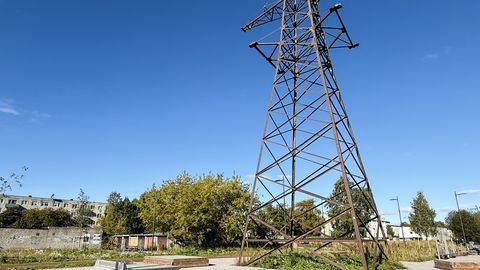
North Tallinn district elder Manuela Pihlap announced that the city of Tallinn has decided to preserve one historic high-voltage pylon at Putukaväila near Sõle Street. Energy expert and Isamaa member Priit Tammeraid warns that the tall metal structure poses a serious risk to people during thunderstorms.
OpinionNorth Tallinn district elder Manuela Pihlap announced on social media that the city of Tallinn has decided to preserve one historic high-voltage pylon at Putukaväila near Sõle Street. "We wanted to preserve at least one pylon to maintain the original idea of Putukaväila, the integration of historic infrastructure into a modern green corridor," Pihlap explained her decision on Facebook.
Energy expert Priit Tammeraid from Isamaa, however, raises the question of whether the city has genuinely weighed all the risks associated with such a decision. In his view, the pylon's height and metal construction make it potentially dangerous during thunderstorms for anyone in Putukaväila-whether children at a playground, pedestrians, or cyclists.
Tammeraid asks whether the city is prepared to take responsibility should the heritage pylon ever pose a threat to people. Preserving historic infrastructure is a noble aim, but safety should always be a priority, believes the energy expert. Metal structures are natural lightning conductors, and without proper grounding they can be life-threatening.
The Putukaväila project is one of Tallinn's most ambitious green corridor initiatives, which seeks to link historic identity with contemporary urban space. The question is not whether this goal is valuable, but whether the aesthetic value of preserving one pylon outweighs the potential safety risk it poses to visitors on a Sunday stroll.
Open in app →