Putin: Russia's fuel shortage is not critical, Ukrainian peace proposals rejected
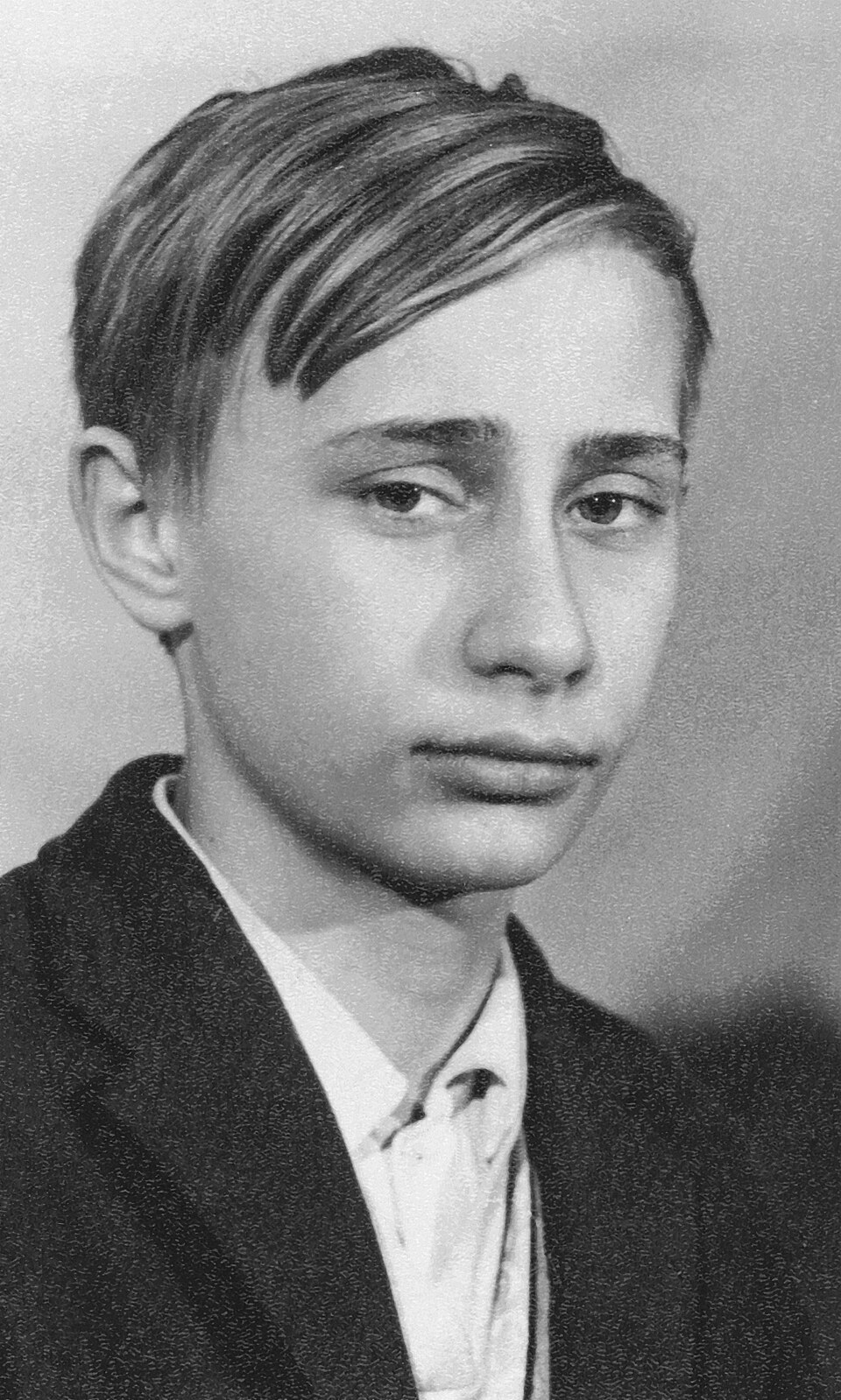
Russian President Vladimir Putin gave a 25-minute interview on June 28 in which he acknowledged fuel shortages but described them as non-critical. Putin also revealed that Ukraine made two peace proposals to Russia, both of which Moscow rejected.
PoliticsRussian President Vladimir Putin gave an interview to journalist Pavel Zarubin on June 28, in which he discussed the fuel shortage problem in the country, Ukrainian peace proposals, and the current situation of the war. The interview lasted 25 minutes and, according to media outlet Faridaily, Putin partially read his remarks from a teleprompter.
Fuel shortage in Russia
Putin acknowledged that Ukrainian attacks on infrastructure "create problems. We are currently observing certain shortages, but it is not critical," he said. According to the president, the solution lies in rapidly increasing production of air defence systems, faster maintenance completion at oil refineries, and ensuring the necessary fuel imports.
"There is damage, of course," Putin conceded, "but all damaged facilities are being restored fairly quickly and the problems that arise are not of a critical nature. Everything is working stably for us and with a large margin of safety."
Putin added that fuel supplies to Crimea are being increased both by land and by sea. In May, a fuel shortage occurred on the peninsula following Ukrainian attacks on the R-280 "Novorossiysk" highway, through which annexed Crimea is supplied. Putin did not specify exactly how the new supply chain will function, but confirmed that "this task will be solved".
Ukrainian peace proposals rejected
Putin revealed in the interview that Ukraine made two peace proposals to Russia, both of which were rejected in Moscow.
The first proposal envisaged a mutual end to deep strikes on each side's territory. Putin explained why Russia did not accept it: "Our counter-strikes into the depths of Ukrainian territory are much more powerful, more tangible and, frankly, more destructive."
According to the second proposal, hostilities would be limited to Donetsk, Luhansk, Kherson and Zaporizhzhia regions, with military operations ceasing in other areas. Moscow also refused this. "If we agreed to this, it would give Ukrainian armed forces the opportunity to withdraw their troops from Mykolaiv, Dnipropetrovsk, Kharkiv and Sumy regions and from some sections of the border, and redirect those units to the four aforementioned areas," Putin said. He added: "Saving the Kyiv regime is not part of our plans."
Anchorage summit and Trump
Putin also commented on the recent US-Russia summit in Anchorage, confirming that no agreements were concluded there. "The 'spirit of Anchorage' was not formalized in any official document and no one signed anything," he said, adding that certain compromise options for ending the war were discussed.
A few days earlier, US Secretary of State Marco Rubio stated that Alaska hosted discussions on proposals to end the war, but no agreement was reached. Russian Foreign Minister Sergei Lavrov, however, argues that if the US made proposals and Russia agreed to them, it cannot be said that "there was no agreement".
Reacting with scepticism to Western media reports that European leaders convinced US President Donald Trump to change his position on the Russia-Ukraine war, Putin said: "I doubt it is possible. Trump is a mature politician, more than mature and already an experienced politician," Putin said.
Open in app →