Queer theatre in Estonia's transition era brought taboo topics to the stage
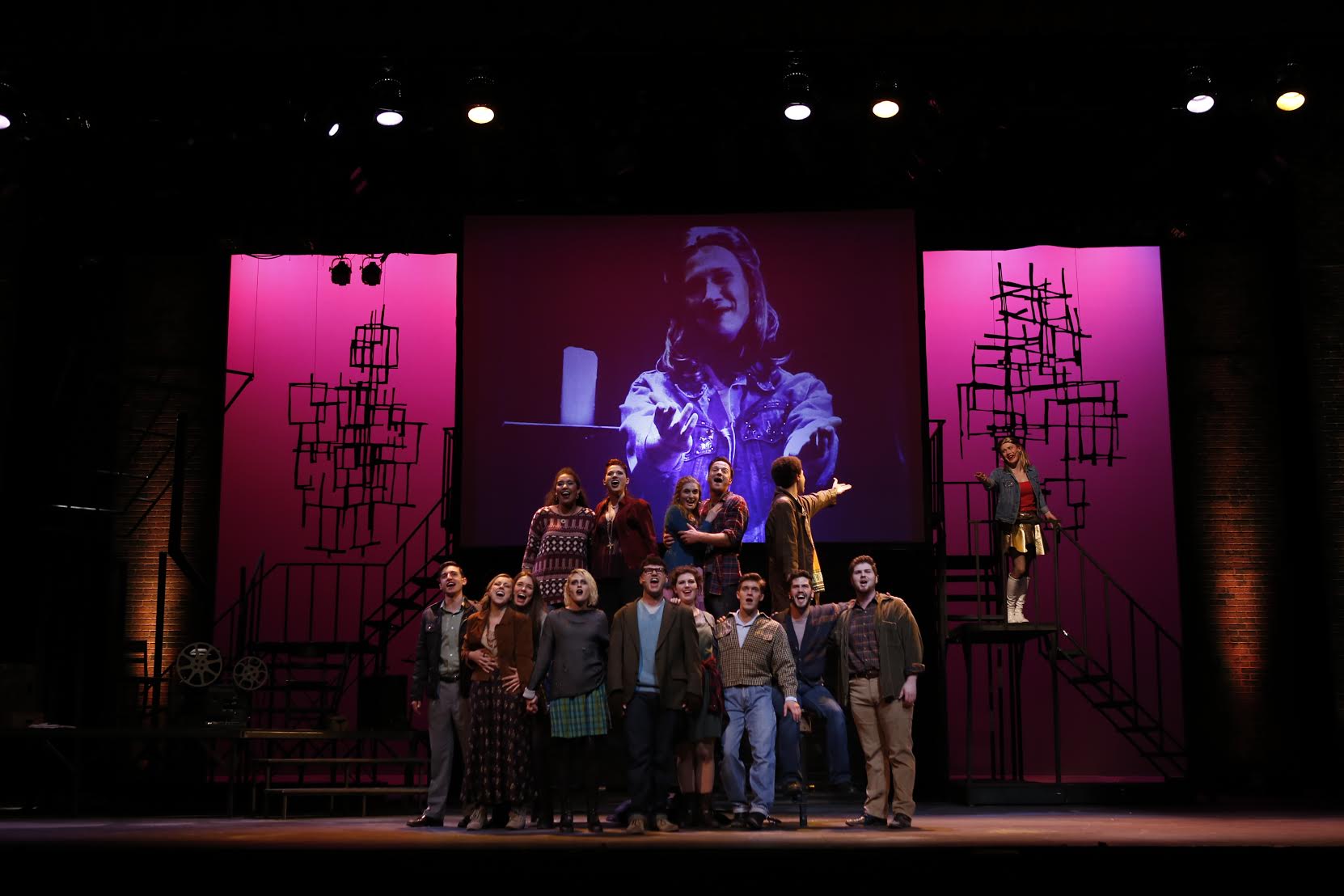
A new study by Estonian Academy of Music and Theatre researcher Eva-Liisa Linder reveals that over fifty productions featuring queer elements reached Estonian theatre stages during the transition period from 1988 to 2004. Far from emerging from nowhere, the phenomenon grew out of a long hidden theatrical tradition that persisted even through Soviet censorship. The research shows that audience and critical reception of the time was deeply polarised.
CultureDuring Estonia's transition period (1988-2004), which began with the Singing Revolution, more than fifty theatre productions with queer elements reached Estonian stages. According to research by Eva-Liisa Linder, a researcher at the Estonian Academy of Music and Theatre and doctoral student at Tallinn University, the phenomenon did not emerge from a vacuum, it grew out of a long, hidden theatrical tradition.
Roots in the Soviet era
In the interwar Republic of Estonia, liberal Western dramaturgy was welcomed as part of a broader spirit of openness. Oscar Wilde's plays mocking Victorian moral norms and comedies featuring cross-dressing characters proved popular. However, Soviet-era repertoire requirements and censorship pushed free expression out of official theatre programmes for decades. Homosexuality was criminalised under Soviet law, and non-normative gender or sexual behaviour was considered taboo.
Despite the restrictions, directors found subtle ways to keep alternative themes alive. Classical dramaturgy offered some cover, Shakespeare's comedies, for instance, included playful gender-role swapping. As early as 1958, Arthur Miller's drama A View from the Bridge was staged at the Drama Theatre, and Eduardo de Filippo's comedy My Family, featuring a recognisably gay character, was performed by an amateur troupe. More experimental work moved to the less-censored fringes of theatre: radio, television, amateur, studio, and student productions.
Around the transition between the 1960s and 1970s, around a dozen productions touching on gender and sexuality reached the stages of mainstream state theatres. English farces and comedies proved particularly popular, drawing over 100,000 viewers. Among them was Mati Unt's new version of Brandon Thomas's Charley's Aunt and Peter Shaffer's Black Comedy. Shelagh Delaney's A Taste of Honey, directed by Epp Kaidu and staged in both television theatre and Vanemuine, featured a sympathetically portrayed gay art student, Geoffrey. In the programme notes, Mati Unt described Geoffrey euphemistically as an «eccentric young man», later recalling that in the ideological climate of the time, even purely human themes took on political meaning.
The floodgates open
«When theatre censorship ended, political themes burst forth like water from behind a dam,» said Linder. Directors had carried certain texts and themes with them for years, and from the late 1980s they were finally free to bring them to the stage. In the first decade of freedom, Estonian theatres staged major works of Western queer dramaturgy, from Oscar Wilde to Tennessee Williams and Tony Kushner. Alongside these, many new and original ideas reached the stage. In 1995, Mati Unt transformed Henrik Ibsen's A Doll's House so that Nora became Norbert, reversing traditional gender roles and placing a powerful female lawyer and her subjugated husband at the centre of the story.
The most significant media attention of the 1990s was drawn by Georg Malvius's Angels in America, which brought gay relationships, the tragedy of AIDS, and contemporary LGBT experience to a wide audience. While most productions received only a handful of reviews, the press covered Malvius's production nearly 40 times. One review in Sõnumileht asked in its headline «What's wrong with the Drama Theatre?», arguing that such a prominent treatment of the gay theme was off-putting to ordinary people. The following week, the same paper published a reader's letter defending LGBT rights that responded: «Nothing is wrong with the Drama Theatre!»
A polarised reception
Linder's analysis of nearly 300 theatre reviews from the transition period reveals how divided reception was. Only a third of reviews responded positively to the new approach to gender and sexuality. Another third expressed negative or dismissive attitudes, while the rest avoided the subject or ignored it entirely. Older critics' texts reflected fear of changing social hierarchies and the perceived displacement of heterosexual love.
Critics also frequently lacked the vocabulary to describe and analyse new identities. Foreign terms were borrowed directly from programme notes, or productions were written about through the lens of universal human concepts, friendship, understanding, mutual support.
Change takes decades
Linder argues that transition-era theatre illustrates the sociological observation that different parts of society evolve at different speeds. While political and economic reforms can happen within years, deeper cultural processes, shifts in attitudes, values, and behavioural patterns, often take decades. «Queer directors and actors were able to bring their personal experiences into the public space through theatre,» she noted.
The apparent indifference shown by some critics in the early 1990s, with claims that audiences had grown numb to such topics, masked rather than resolved the underlying tensions. Linder sees this as a collision between old and new value systems, and a cultural trauma that accompanied the transition. The recent media controversy over drag performances by theatre school students, she says, illustrates that the process is still ongoing.
Queer theatre history shows that social change does not come from a single law or a single production. Estonia's reform-minded transition-era theatre brought to the public stage themes that had previously been suppressed or treated in veiled terms. In doing so, it offered space for identities and experiences that society was not yet ready to name.
The article is based on Eva-Liisa Linder's presentation at this year's Estonian Conference of Humanities «Hic sunt dracones. Humanist Worlds» in Tartu.
Open in app →