Racing for a rental: how hard is it for young people to find a home in Tallinn and Tartu?
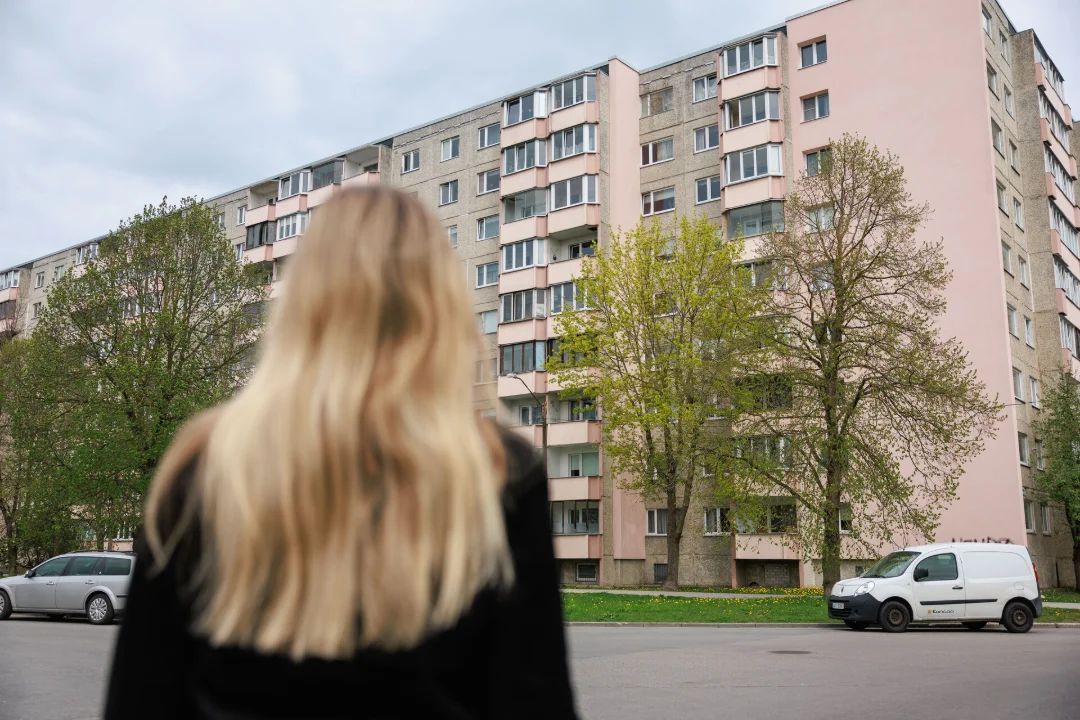
As summer and autumn approach, thousands of young Estonians are scrambling to find rental apartments in Tallinn and Tartu ahead of university and new jobs. Competition is fiercest for small, affordable flats in good locations, with popular listings attracting dozens of inquiries within hours. Experts advise starting the search early and keeping an open mind about shared living and dormitories.
EstoniaWith the new academic year on the horizon, young people across Estonia are launching a familiar hunt, a decent, affordable rental apartment in Tallinn or Tartu. The experience, as several students have found out, can be a stressful mix of speed, compromise, and luck.
Maria's Tallinn search
Maria, an 18-year-old from Pärnu, began looking for a Tallinn flat in early summer 2026 so she could start university in the autumn while working at the same time. She set herself a clear budget: up to €500 per month in rent, plus €60-80 in summer utility bills and €180-210 in winter. She browsed listings primarily on the Rendin platform, which does not require tenants to pay a full security deposit upfront.
The search came with complications, however. Rendin asks potential renters to show six months of income and expense history before granting access to landlord contacts, documentation Maria simply did not have. «I just didn't call or write to anyone there,» she says. On top of that, at least two suitable listings vanished before she could even reach the owners. «They were just snapped up incredibly quickly,» she recalls.
She eventually found a studio apartment through Larsen, a property operator, which met nearly all her requirements. The only compromise was a slightly longer commute between home and work. A fixed utility bill regardless of season was, in her words, «a big plus».
Elisabeth's Tartu adventure
Twenty-year-old Elisabeth from Tallinn began hunting for a Tartu flat in June of last year, as soon as she received confirmation of her place at the University of Tartu. She targeted apartments near the city centre and the Supilinn district, close to the university, with a budget of up to €450 per month for a one- or two-room flat.
She moved her search from property portals to Facebook groups to avoid agency fees. During a trip to Tartu with her father to view several apartments, they discovered on arrival that earlier visitors had already said yes to every flat. Then, just as they were heading back to Tallinn, a new Facebook listing appeared. «I bombarded the owner with messages and we got to view it that same evening,» Elisabeth recalls. The apartment was new, attractive, and close to campus, they agreed on the spot, with the lease starting in August.
The year passed largely well, but winter bills proved a shock. «I had to pay over €600. On top of that, the boiler was a problem, hot water ran out in barely 20 minutes in winter,» she says. Now Elisabeth is leaving that flat and moving with a friend into a three-room apartment in Tartu's Ülejõe district, where the €690 rent splits two ways and works out considerably cheaper per person.
Sofia opts for dormitories
Sofia, a 20-year-old University of Tartu student, faced a different challenge when she needed a short-term Tallinn rental for a summer internship. Her budget was €500 for accommodation, within a total monthly spend of €700 including food and transport. She wrote to three suitable listings, all replied quickly, but every answer was the same: the landlords did not want to rent short-term. In Tartu, meanwhile, she had found that cheaper flats often came with wood-burning stoves, while she needed electric heating, which sharply limited her options.
Unable to find a suitable private rental in either city, Sofia chose dormitories, a place at a Tartu student hall and a room at TalTech's dormitory in Tallinn. Looking back, she considers it the right call. «People talk about a shortage of dormitory places more than the situation actually justifies. Dormitories are genuinely a very good place to live. It's not always worth fighting for a flat at any cost,» she says.
What the market data shows
Jan-Matthias Mandri, co-founder and head of product and marketing at Rendin, says Estonia's rental market has become somewhat more tenant-friendly in recent years. «There is more choice, and alongside that there is a little more room to negotiate, especially for higher-end properties,» he notes. But competition remains brutal at the affordable end. In Tallinn and Tartu, where student and working-age demand converge, a good flat can find a tenant within a single day, and popular listings collect dozens of inquiries in the first few hours. «The simpler the rule: the cheaper and better-located the flat, the faster it moves and the more interest it attracts.»
Mandri also points to a growing trend: shared living. More and more young people, not just students but working adults, are opting to split a flat with housemates in order to live in a better area or a larger space than their budget would otherwise allow.
Trust, he argues, is often a bigger barrier than money. Young renters typically lack a rental history or a long employment record, which can put them at a disadvantage against older applicants. His advice: introduce yourself clearly in the first message, explain why you want the flat and what your plans are. «When an owner gets dozens of inquiries, the person who communicates properly and leaves a trustworthy impression stands out.»
Above all, Mandri urges young flat-hunters not to fixate on the ideal solution. «The first home doesn't have to be perfect or last the whole time at university,» he says. «In the end, most young people do find a suitable solution. Sometimes it just takes a little more time than they hoped.»
Open in app →