Rail Baltica 2030 completion becoming questionable — Latvia is the biggest bottleneck
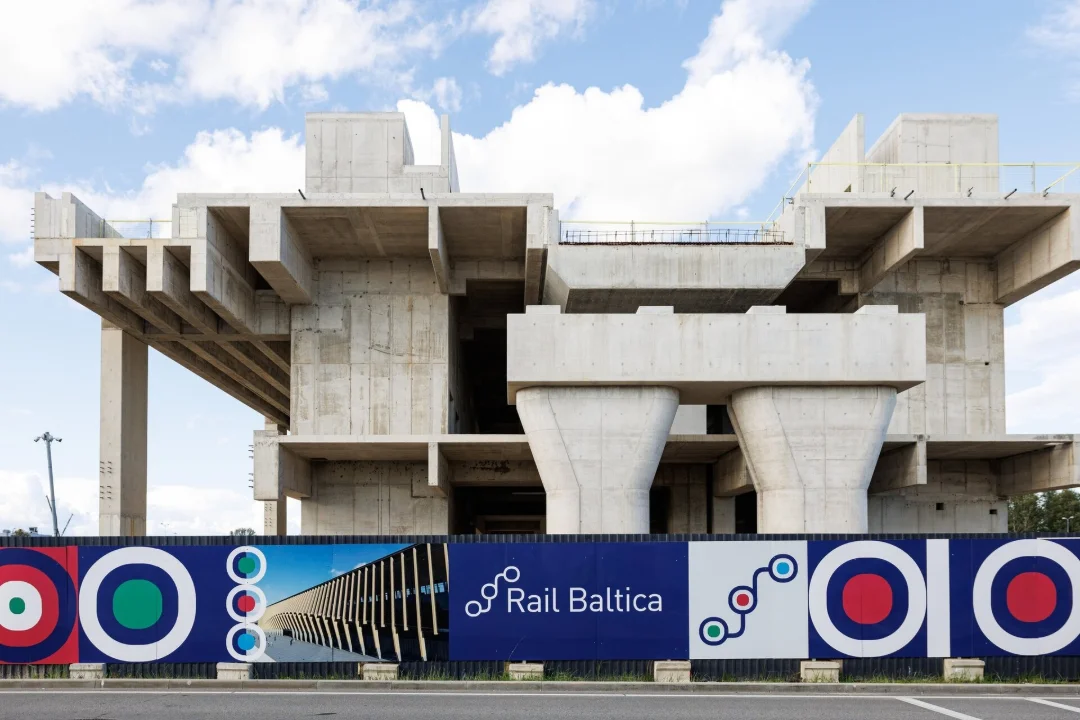
The Rail Baltica project faces serious delays, as Latvia's construction pace lags significantly behind Estonia and Lithuania. RB Rail Chairman Mati Spåge has publicly acknowledged that completion of the railway in Latvia by 2030 is not even theoretically possible.
EstoniaRail Baltica's completion by 2030 is becoming increasingly unlikely, with Latvia emerging as the biggest slowdown factor among the three Baltic states. While Estonia and Lithuania have progressed with their construction work, critical decisions are dragging on in Latvia and construction activity remains substantially behind schedule.
Spåge: the deadline is theoretically impossible
RB Rail Chairman Mati Spåge has publicly expressed concerns on social media about the project's progress, stating plainly that completion of the railway in Latvia by 2030 is not even theoretically possible. This statement casts the entire Baltic project timeline into doubt, since Rail Baltica is by nature a unified infrastructure network — the absence of one link makes the entire connection non-functional.
Estonia builds, Latvia hesitates
The situation raises a logical question in Estonia: how much sense does it make to continue construction investments if there are no guarantees from the southern neighbour that the connection to Riga will even be operational as planned? Estonia has invested considerable sums in Rail Baltica and construction work is proceeding according to schedule, but Latvia's delays threaten the project's integrity and viability.
Project's future uncertain
Rail Baltica is one of the largest infrastructure investments in the history of the Baltic states, and its goal is to connect Tallinn, Riga and Vilnius with a high-speed rail line that will eventually extend to Warsaw. The EU provides substantial funding for the project. Latvia's postponements are forcing partner countries and funders to reassess whether and how the original timeline can be salvaged, and whether 2030 should be abandoned as a realistic deadline.
Open in app →