Raised beds in Estonian gardens: higher yields, less effort
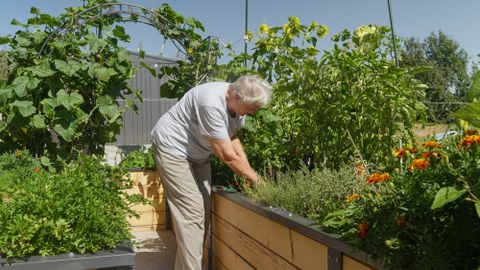
Raised beds have become an increasingly popular solution in Estonian gardens, courtyards and terraces for those who want to grow fresh produce without major physical strain. Their main advantage is convenience, there's no need to dig the soil or endlessly bend over. However, building a raised bed requires attention to several important details that can affect your harvest.
CultureRaised beds have become a genuine trend in the Estonian gardening landscape in recent years. They can be found in traditional gardens as well as on city terraces and courtyards, where soil and space are limited.
Why are raised beds so popular?
The main advantage of a raised bed is convenience. Gardeners no longer have to bend down deeply or work on their knees in the soil, everything is at a comfortable working height. Additionally, weed growth in a raised bed is significantly less problematic than in a traditional ground garden bed, which means less weeding and more time for other activities.
Furthermore, the soil layer in a raised bed warms up more quickly in spring, allowing you to start planting earlier than in a traditional garden. Water retention and nutrient management are also easier to control.
Common mistakes when building a raised bed
Although raised beds offer many advantages, certain errors can seriously damage your harvest. One of the most frequent problems is choosing the wrong location, raised beds need at least six hours of direct sunlight per day for most vegetable crops.
Another common mistake is using unsuitable filling material. Soil that is too dense or lacking in nutrients impedes root development and significantly reduces the yield. Poor drainage is also often overlooked, without proper water management, plants can begin to rot.
A third error is planting too densely, which creates competition between plants and promotes disease spread. A fourth problem to highlight is insufficient watering, since soil in a raised bed dries out more quickly than ground-level soil.
With careful planning and by avoiding these mistakes, a raised bed can become a truly efficient and aesthetically pleasing garden feature that repays your investment many times over.
Open in app →