Rare 17th Century Astrolabe from Indian Royal Collection Heads to Auction
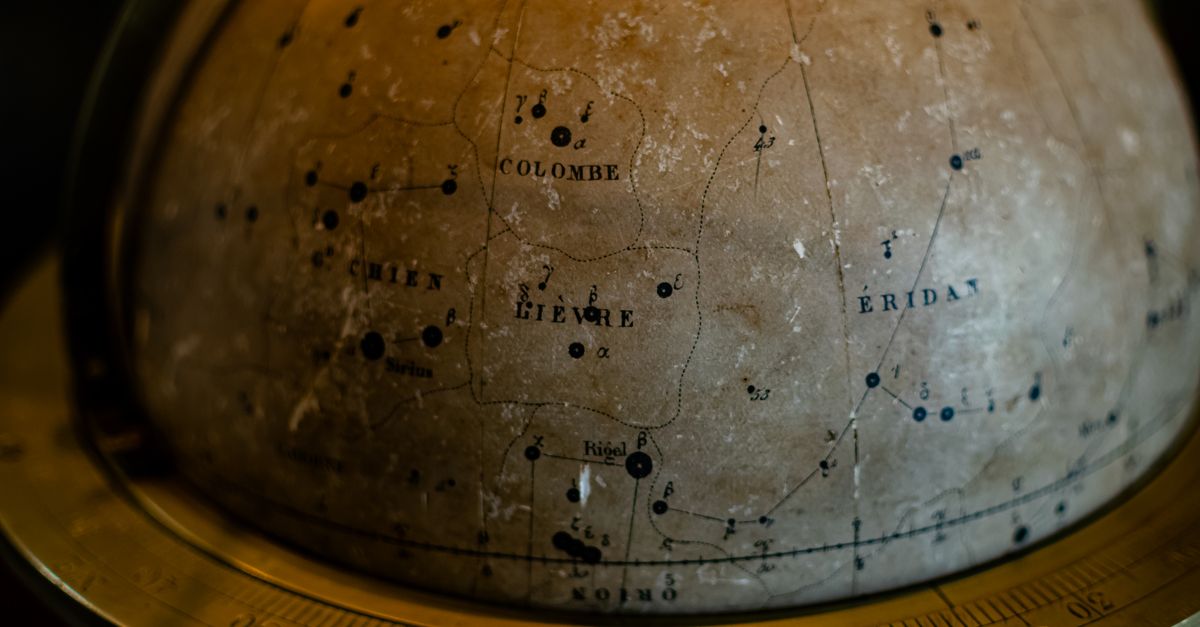
A historically significant astrolabe, possibly the largest ever created, is set to be auctioned for the first time. The intricate astronomical instrument once belonged to Indian royalty and has never been publicly displayed before.
CultureAn extraordinary astronomical instrument from the 17th century is preparing to enter the auction market, marking a historic moment for collectors and historians worldwide. The astrolabe, an ancient device used for navigation and astronomical calculations, is believed to be among the largest examples in existence and carries the distinction of having never been exhibited publicly until now.
The instrument's provenance traces back to Indian royalty, giving it considerable cultural and historical significance beyond its technical importance. Astrolabes were sophisticated tools that served as portable computers for centuries, allowing users to determine latitude, time, and the positions of celestial bodies. This particular example represents a remarkable achievement in craftsmanship and scientific knowledge from its era.
The upcoming auction represents a significant opportunity for researchers and collectors interested in the history of astronomy and scientific instruments. The fact that such a rare and potentially record-breaking piece has remained in private hands and away from public view adds to its intrigue. Experts consider astrolabes among the most important technological artifacts of the pre-modern world, bridging mathematical precision with practical application.
The sale will likely attract substantial international interest from museums, academic institutions, and private collectors dedicated to preserving scientific heritage. The astrolabe's journey from the royal courts of India to the global auction block underscores how valuable artifacts continue to circulate through the art and antiquities market, offering new generations the chance to appreciate remarkable historical objects.
Open in app →