Reinsalu: Ukraine war could last unpredictably long
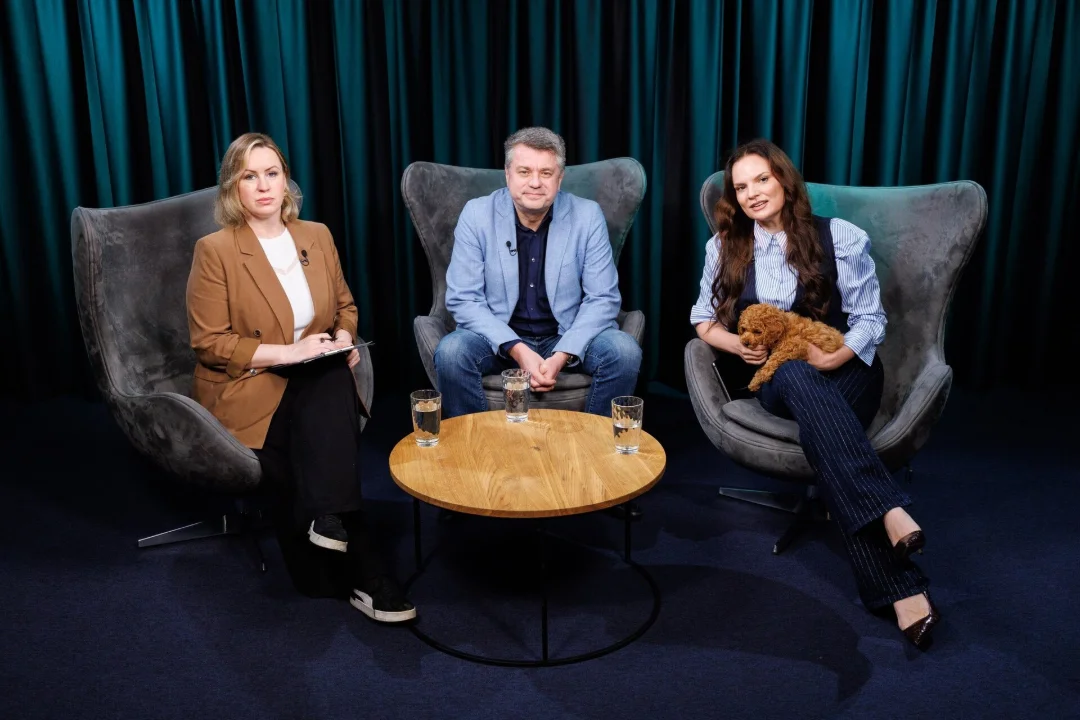
Riigikogu Foreign Affairs Committee member Urmas Reinsalu discussed in the programme "Outside" the European Commission's proposal to end refugee protection for Ukrainian military-age men in the EU and the question of whether European allies need to prepare themselves for the war's prolonged duration. The discussion also covered a new Minister for Men and Boys in Australia's Victoria state and a scandal at the World Cup in which an England player refused to shake hands with an opposing player facing accusations.
PoliticsRiigikogu Foreign Affairs Committee member Urmas Reinsalu stressed in the programme "Outside" that Europe and Estonia must reckon with the possibility that the Ukraine war lasts unpredictably long and that allied preparedness must not weaken as a result.
Refugee protection and soldier shortage
On Friday, 27 June 2026, the European Commission made a proposal to end the provision of refugee protection for Ukrainian military-age men in the EU. According to Brussels, the change is being made at Kyiv's request, as the Ukrainian army is suffering from an acute shortage of soldiers and wants military-age men staying abroad to return home. Denmark has already implemented a similar decision previously.
Reinsalu discussed with programme hosts Kaljuvee and Kullerkup whether such a step could give momentum to Ukraine's military situation and whether European allies have developed frustration over the prolonged conflict. He stressed that the Ukraine issue must remain at the centre of European political attention regardless of how long the conflict lasts.
Australia's new ministerial portfolio
The programme also touched on Australia's Victoria state, which has become the world's first jurisdiction to appoint a Minister for Men and Boys. The new ministerial position aims to address issues related to men's and boys' behaviour and well-being, a phenomenon that has attracted international attention.
World Cup and handshake refusal amid court case
The football World Cup has sparked a broader public debate about the boundaries of sport and ethics. Videos circulating on social media show how England right-back Djed Spence refused to shake hands with Ghana midfielder Thomas Partey before the match in Boston at the World Cup. The background is that Partey is facing trial in the UK on seven rape charges and one sexual assault charge.
The programme raised the question of whether athletes with such a background should be given a platform in the media, and whether in the interest of sport such scandals should be swept under the rug, or whether public responsibility demands a public stance.
Open in app →