Restored Estonian Manor Houses: Whose Story Are We Really Telling?
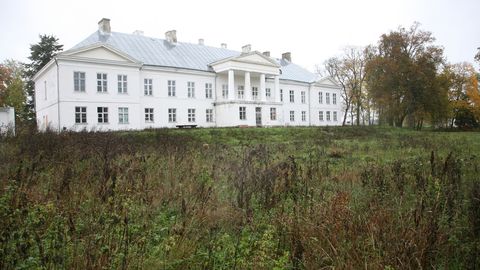
Art historian Juhan Maiste asks what Estonian manor houses mean to us today-are they simply expensive real estate or a complex mirror of our history? For centuries, manor houses have carried traces of both aristocratic power and the dreams of peasants, and now many stand at a new threshold in the hands of museums, schools, or private owners.
CultureEstonian manor houses have always been more than stone and mortar. Art historian Juhan Maiste writes that within their walls echoes a quiet question: whose story are we really telling? That of the nobles, the peasants, or perhaps the landscapes themselves, which have witnessed both power and humiliation?
Centuries in the Walls
Estonian manor houses have passed through dramatic eras. The purchase of farmland, radical land reform, Soviet collective farms, and finally the restoration boom that followed the restoration of independence-all these upheavals have left a deep mark on manor house buildings. The plaster on the walls remembers both the footsteps of gentlemen and the orders of collective farm chairmen.
Today, many former manor houses stand at the threshold of a new era. Some house museums, others have become schools, and still others have passed into the hands of private owners. The question that Maiste poses is fundamentally cultural: how willing are we to see manor houses as something more than simply expensive real estate?
History's Complex Mirror
Manor houses are not mere relics of the past; they are a mirror of Estonian history in which we still see our own reflection. Their restoration is at once a technical and a values-based question. What to preserve, what to renew, and whose memory to honour in the process?
Maiste's reflection reminds us that behind every restored window frame lies a choice: which story we will tell forward and to whom.
Open in app →