Review: 1913 Vienna, where fateful men could have met
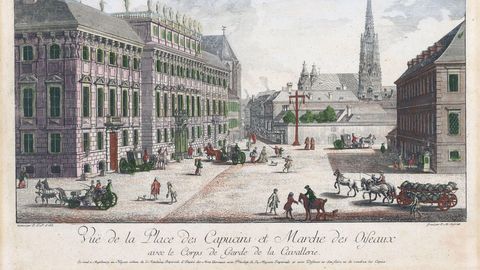
Tõnu Trubetsky writes about 1913 Vienna as a place where history stood at a turning point. At a time when Europe is restless again, it is worth looking back at the people who changed the course of the world.
CultureIn June 2026, Europe stands once again on the threshold of a transformative era, wars rage on the old borderlands of empires, political extremism is gaining momentum, and national and ideological identities collide on the streets of great cities. In this context, Tõnu Trubetsky's opinion piece offers a fascinating perspective on history, specifically 1913 Vienna, where some of history's most fateful men could have encountered one another.
The year 1913 appeared outwardly peaceful in Europe, yet it was actually rife with great tensions. The Habsburg Empire was faltering, national movements were growing, and ideas that would later shape the twentieth century were beginning to take form. In Vienna lived or passed through several men whose influence on the world would prove immense, and their possible encounters provide grounds for reflection on how history unfolds.
Why does history repeat itself?
Trubetsky's approach is compelling: he does not focus on great battles or dates, but on the people themselves, their convictions, ambitions and decisions that altered the course of history. This approach reminds us that historical change never emerges from nowhere, but from concrete individuals and concrete places.
The parallel to today is clear: the world is now also full of uncertainty, ideological ferment, and people who believe that the "old world order" is coming to an end. Trubetsky encourages readers not to seek simple answers from this new age, but to understand that every turning point is above all human, and therefore also predictable, if we look carefully enough.
Open in app →