Rugby's Quest for Global Crossover Stardom
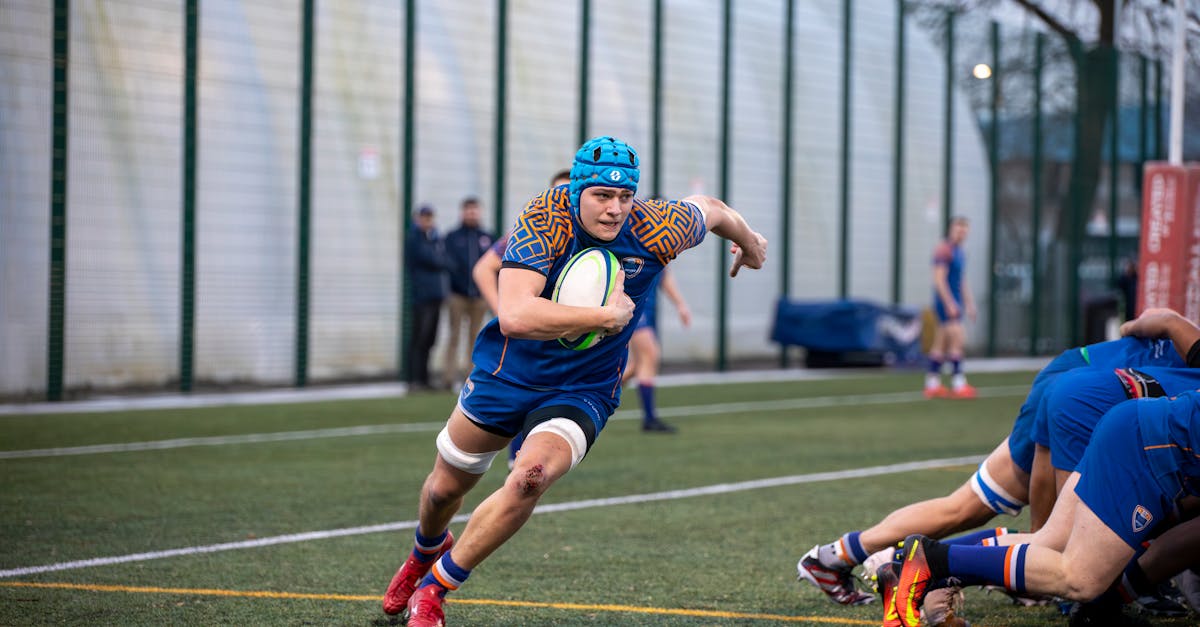
Henry Pollock has signed with prominent talent agency Eddie Hearn's company to elevate his public profile, highlighting rugby's ongoing challenge in creating mainstream celebrities. The sport struggles to produce figures with the global recognition and commercial appeal of stars in football, basketball, or American football.
SportRugby union has long grappled with a fundamental challenge: how to transform its elite athletes into household names with mainstream appeal beyond the sport's traditional fan base. Henry Pollock's recent decision to partner with Eddie Hearn's talent agency underscores this ongoing pursuit of crossover success in a sport that has produced legendary players yet relatively few global superstars.
Pollock's move represents a calculated effort to break through the noise of modern celebrity culture. Eddie Hearn's agency, known for representing high-profile boxers and sports personalities, brings professional brand-building expertise to the rugby union player. This partnership suggests that raw talent and elite performance on the pitch may no longer be sufficient for athletes seeking international recognition and lucrative endorsement opportunities.
The broader context reveals rugby's structural challenges in generating mainstream stars. Unlike football, which has produced figures like Cristiano Ronaldo and Lionel Messi with global followings, rugby has failed to consistently create athletes with comparable commercial reach. Players such as Lomu and Wilkinson achieved significant fame within rugby circles and their home nations, but their mainstream celebrity status remained limited. The sport's seasonal nature, regional competition structures, and smaller global fanbase compared to football or basketball create inherent obstacles to building crossover appeal.
Rugby's international calendar, featuring test matches and club competitions across different hemispheres, fragments audience attention compared to more centralized sports leagues. Additionally, the physicality and injury risks in rugby differ from sports with longer player careers and more consistent public visibility. For athletes like Pollock, strategic representation through professional talent agencies may represent the modern solution to rugby's perennial struggle for mainstream prominence.
The search for rugby's next crossover sensation continues, with the sport increasingly recognizing that on-field excellence alone may require supplementary efforts in brand development and media strategy to achieve the mainstream stardom that has eluded the sport for decades.
Open in app →