Sailors trapped in Strait of Hormuz lived through months of nightmares
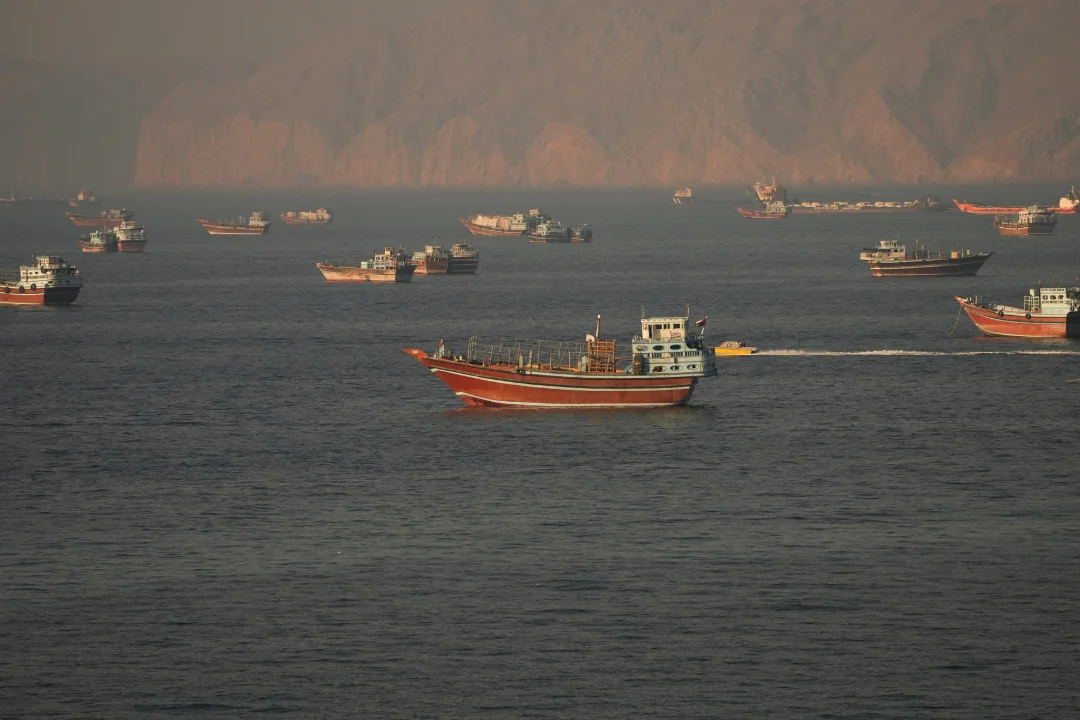
An estimated 2,000 vessels and tens of thousands of sailors have been stuck for months in the Persian Gulf and Strait of Hormuz, unable to move forward or backward. They could only dream of showers and fresh food, collecting water from air conditioning pipes. Donald Trump's ceasefire with Iran offers hope that ships stranded in gridlock will finally be able to proceed.
PoliticsTens of thousands of sailors have been forced to call the Persian Gulf and Strait of Hormuz their second home, not by choice, but by necessity. For months, they have been stuck on vessels threatened by drones and missiles sweeping through the region, with no way to move forward or back.
Water collected from air conditioning units
Conditions on board have been dire. An estimated 2,000 vessels trapped in the deadlock have left their crews dreaming of showers, doing laundry, and fresh food. Captain Isdik Alam, commanding a ship anchored in the Persian Gulf since February, described the situation to CNN in shocking terms: "They are collecting water from air conditioning pipes. Simply to wash and survive." In extreme cases, the use of such air conditioning water has been extended to cooking.
Trump's ceasefire offers hope
Donald Trump's brokered ceasefire between the US and Iran now offers hope that vessels forced to remain stationary for so long will finally be able to set sail. If the agreement holds, the journey home for tens of thousands of sailors has drawn closer than at any point in recent months.
The Strait of Hormuz is one of the world's most vital sea routes, through which passes a significant portion of global oil trade. Regional tensions have disrupted international shipping and broader trade, raising questions about supply chain and energy security worldwide.
Open in app →