Satellite measurements confirm: New El Niño has begun in the Pacific Ocean
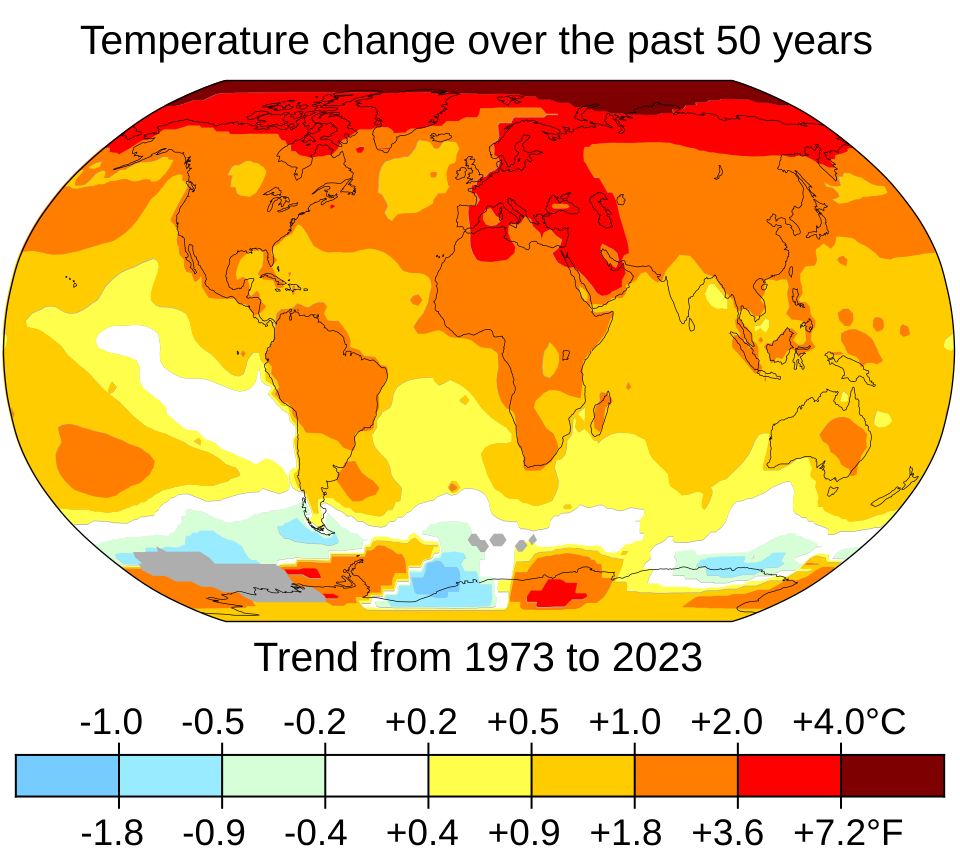
Fresh satellite measurements have confirmed that a new El Niño has begun in the Pacific Ocean. This natural climate phenomenon means that seawater in the equatorial regions of the central and eastern ocean has become warmer than usual. El Niño effects extend across the entire world and can significantly impact weather conditions on multiple continents.
TechnologyNew satellite measurements have confirmed that a new El Niño cycle has been triggered in the Pacific Ocean. Data from space clearly shows that seawater temperature in the equatorial regions of the central and eastern ocean has risen above normal levels, which is the primary indicator of El Niño's onset.
El Niño is a natural climate phenomenon that occurs when trade winds weaken in the equatorial regions of the Pacific Ocean and warm water accumulates in the eastern ocean. This alters the distribution of atmospheric pressure across the entire planet and brings about widespread weather changes.
Global impacts
El Niño effects are not limited to the Pacific Ocean region alone. The phenomenon can cause drier periods in Australia, South Asia and Africa, while simultaneously bringing more rainfall to the west coast of South America and parts of North America. Additionally, higher average global temperatures are often recorded during El Niño periods.
Scientists continuously monitor satellite data to forecast the phenomenon's strength and duration. Previous strong El Niño cycles have affected agriculture, water resources and storm activity across the world, which is why early warning to countries is of critical importance.
Open in app →