Saudi Arabia scales back golf investment ambitions
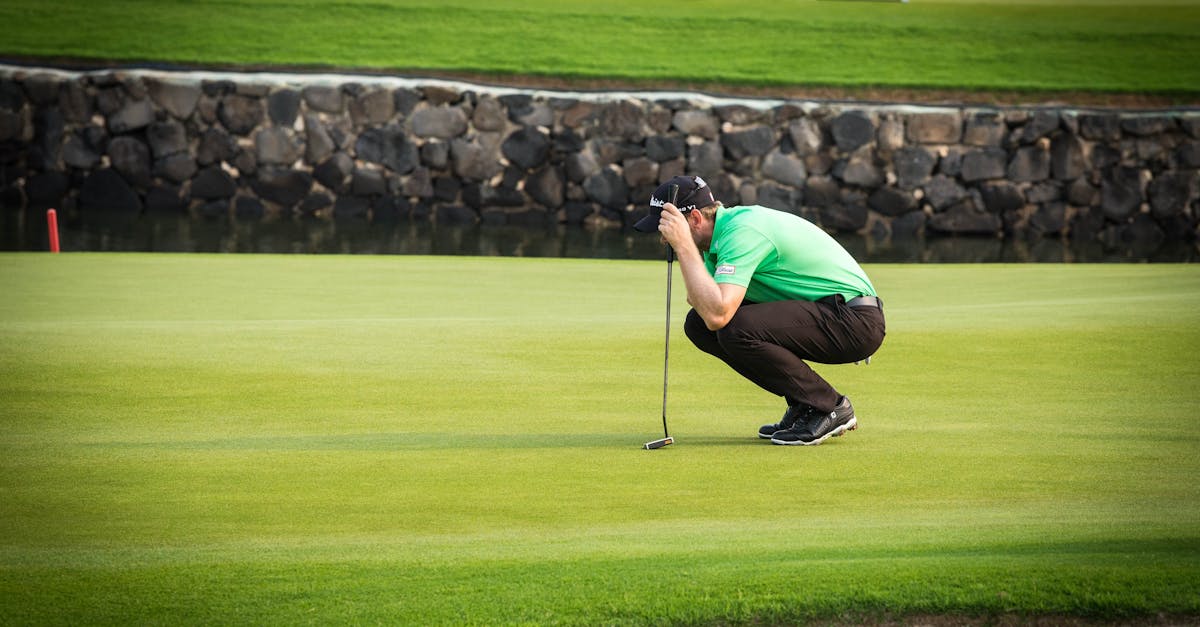
Saudi Arabia is withdrawing its substantial financial support from LIV Golf, marking a significant shift in the country's ambitious sports investment strategy. The move raises questions about the future of other major sporting ventures backed by Saudi capital.
SportSaudi Arabia's decision to pull back its multi-billion dollar funding from LIV Golf represents a notable reversal in the kingdom's aggressive push to become a global sports powerhouse. The league, which launched just three years ago with the explicit goal of challenging the PGA Tour's dominance, has faced mounting pressure and criticism since its inception, struggling to gain mainstream acceptance despite record prize money and high-profile player signings.
The withdrawal of Saudi backing signals potential challenges within the kingdom's broader sports investment portfolio. Over the past decade, Saudi Arabia has channeled enormous resources into acquiring stakes in football clubs, hosting major boxing matches, organizing golf tournaments, and investing in esports ventures. This pullback from LIV Golf raises critical questions about the sustainability and strategic focus of these multiple competing initiatives.
Industry observers note that the golf venture's difficulties stem partly from fierce resistance from established golf organizations and declining television ratings despite star-studded lineups. The PGA Tour and DP World Tour's merger negotiations, coupled with ongoing player defections and public backlash, have created an increasingly hostile environment for the Saudi-backed league's expansion plans.
The broader implications of this financial retreat extend beyond golf alone. Saudi Arabia's sports investments have faced international scrutiny regarding governance and stated objectives. Whether this signals a more selective approach to future sports investments or simply a temporary consolidation remains unclear as the kingdom reassesses its sporting portfolio priorities.
Experts suggest this development could reshape the landscape of professional golf and force a recalibration of how Gulf-backed sports ventures approach global competition and mainstream acceptance.
Open in app →