Scandal in Ireland: Aughinishi Plant Supplies Aluminium Oxide to Russian Arms Industry
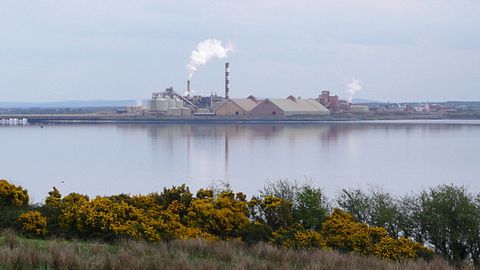
Investigative journalists have exposed that aluminium oxide from the Aughinishi plant in Ireland is reaching the supply chains of Russia's defence industry. The incident has highlighted the darker aspects of Irish policy and raised questions about the country's role in implementing European sanctions. Eoin McNamara, a researcher at the Finnish Institute of International Affairs, analyses the backdrop to the scandal.
PoliticsIn March 2026, journalists from the Organised Crime and Corruption Reporting Project (OCCRP) published a shocking investigation: a significant portion of the aluminium oxide produced at the Aughinishi plant in Ireland is finding its way into supply chains supporting Russia's defence industry. The revelation sent shockwaves through both Dublin and across Europe.
What the investigation revealed
The OCCRP investigation exposed how Aughinishi's output, which should operate as part of legitimate commercial flows, ultimately reaches Russian military manufacturing. This is particularly concerning at a time when the European Union has imposed extensive sanctions on Russia in connection with the war in Ukraine.
Eoin McNamara, a researcher at the Finnish Institute of International Affairs, points out that the incident reveals deep contradictions in Irish policy. On one hand, Ireland declares its support for the EU's unified sanctions regime; on the other, the indirect links of Irish companies to Russia's war economy have remained beyond scrutiny for a long time.
The darker side of Irish policy
The scandal raises the question of how seriously EU member states take the actual implementation of sanctions. According to experts, the lack of transparency in supply chains is one of the main weaknesses in European sanctions policy-companies are able to find indirect routes that formally do not breach existing rules but still provide Russia with strategic resources.
The Aughinishi case illustrates more broadly how geopolitical considerations clash with economic interests and local employment. The plant is a major employer in its region, which means that political decisions to restrict its operations are complex and contentious.
What comes next
The EU institutions have pressed member states to strengthen sanctions controls and increase supply chain transparency. The Aughinishi scandal could become a catalyst for implementing stricter oversight mechanisms that would prevent indirect support for Russia's defence industry through the EU. The Irish government must now clarify what measures it intends to introduce to prevent such a situation from recurring.
Open in app →