Science Corp. Plans First Human Brain Implant Trial
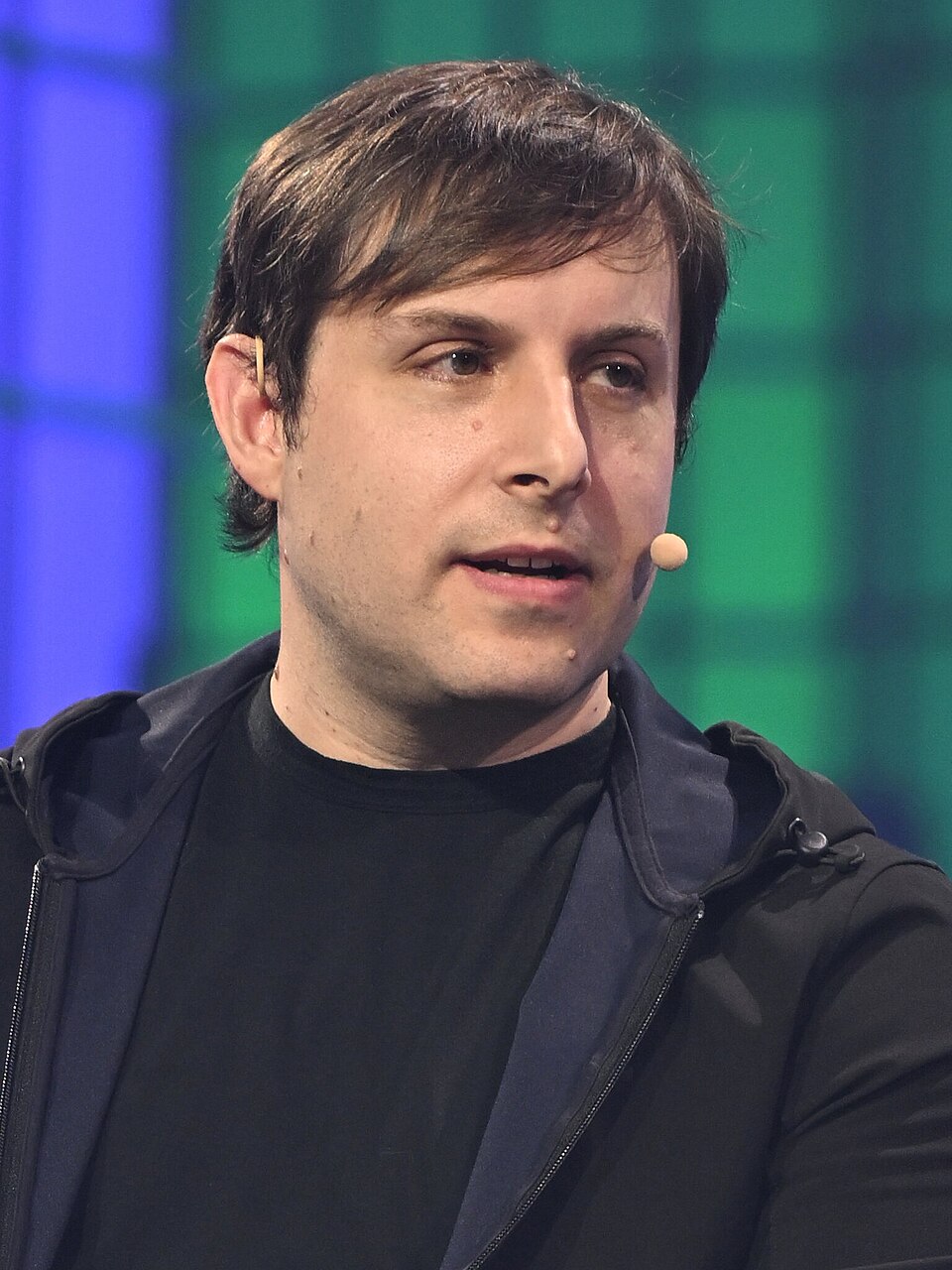
Science Corp., founded by Max Hodak, is preparing to begin human trials of a hybrid brain sensor designed to interface directly with neural tissue. The company aims to advance brain-computer interface technology with its innovative sensor design.
TechnologyScience Corp., the neurotechnology startup founded by Max Hodak, is advancing toward a significant milestone in brain-computer interface development. The company has designed a hybrid sensor intended to be implanted directly into human brain tissue, marking progress in the field of neural interfaces.
The hybrid sensor represents an engineering approach to reading and interpreting neural signals. Unlike previous technologies that relied solely on electrical measurements or optical detection, Science Corp.'s design combines multiple sensing modalities to capture brain activity with greater precision and detail. This dual-method approach is intended to provide more accurate data about neural function.
Human trials are expected to commence within the coming years, pending regulatory approval and completion of necessary preclinical testing. The timeline reflects both the technical complexity of developing implantable neural devices and the rigorous safety standards required before human testing can begin. Regulatory bodies will need to validate that the sensor is safe for long-term implantation and poses acceptable risks to trial participants.
The development of viable brain-computer interfaces has attracted significant investment and research attention globally. These technologies have potential applications in treating neurological conditions, restoring sensory function, and enabling communication for individuals with severe paralysis. Science Corp.'s work contributes to this broader effort to translate neuroscience into functional medical devices.
The success of early human trials will be crucial for determining whether the hybrid sensor technology can deliver the performance and safety necessary for broader clinical use. Results from these trials will inform the path forward for this and similar neurotechnologies in development.
Open in app →