Scientists: global sea level rise has accelerated, and the culprit is not ice but ocean thermal expansion
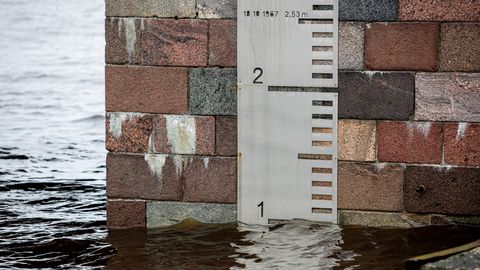
A new scientific analysis reveals a surprising truth about sea level rise: the main cause is not the melting of glaciers or icebergs, but thermal expansion of the oceans. According to scientists, sea level rise has accelerated markedly in recent decades.
TechnologyAn international team of scientists has published a comprehensive analysis that changes previous understanding of sea level rise. The study shows that in recent decades, sea levels have risen faster than expected, and the primary driver is not ice melting, as commonly believed.
Thermal expansion surprises scientists
According to the research, the main cause of sea level rise is the thermal expansion of oceans-a phenomenon in which seawater expands as it warms and occupies a larger volume. This process occurs imperceptibly to the human eye, yet its impact on global sea levels is remarkably significant.
Thermal expansion has typically been considered a less important factor compared with glacier melting, but the new data tells a different story. Scientists note that obtaining such a result was a surprise to them, as earlier models attributed a larger role to ice melting.
Consequences for coastal nations
The accelerating rise in sea levels poses a significant threat to many coastal areas and low-lying islands around the world. Future forecast models must now account for thermal expansion with greater weight than before, which could significantly alter assessments of which regions are most vulnerable to climate hazards.
Scientists stress that ocean warming will continue as long as greenhouse gas emissions do not decline, meaning that thermal expansion's role in sea level rise will become even more important in the coming decades.
Open in app →