Scientists Identify Earthquake Chain Behind Alaska's Massive Tsunami
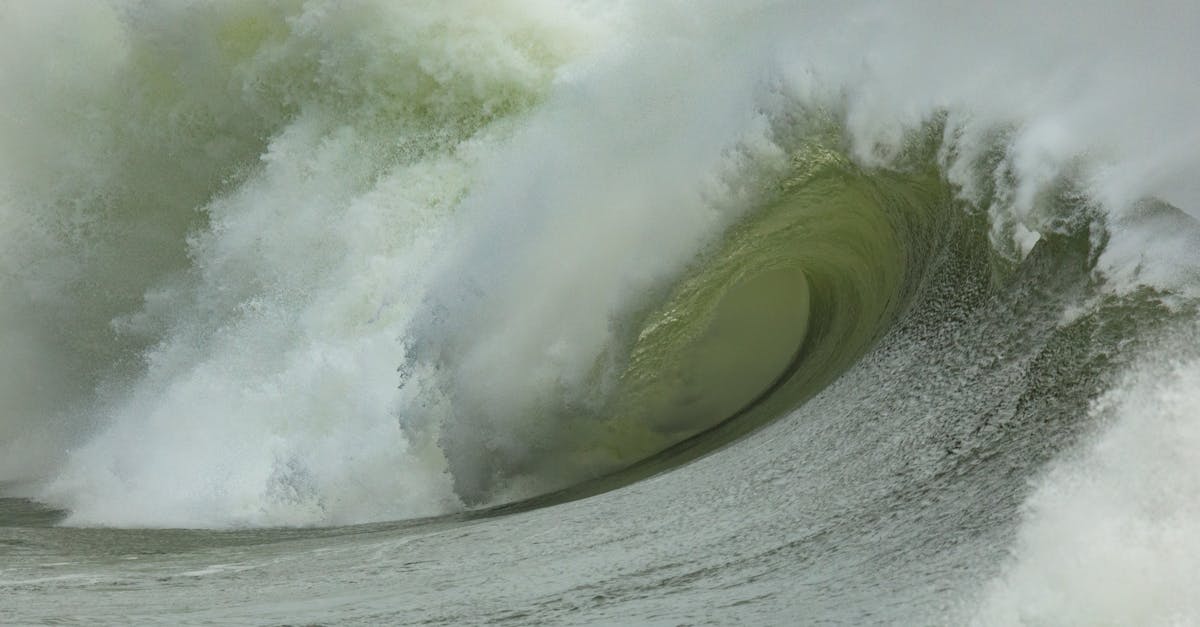
A comprehensive scientific analysis has revealed that a series of small earthquakes triggered an enormous landslide in Alaska, resulting in one of the largest tsunamis ever recorded. Researchers used advanced seismic data to trace the sequence of events that led to this devastating natural phenomenon.
TechnologyA groundbreaking study has provided new insight into the mechanics behind Alaska's catastrophic megatsunami, identified as the second largest tsunami ever recorded in history. Scientists examining seismic data discovered that the disaster was not caused by a single large earthquake, but rather by a cascade of smaller seismic events that destabilized a massive underwater or coastal landslide.
The research team utilized sophisticated earthquake monitoring technology and geological analysis to reconstruct the sequence of events. The tiny earthquakes, though individually modest in magnitude, created cumulative stress that eventually triggered the colossal landslide responsible for generating the massive wave.
This discovery has significant implications for tsunami hazard assessment and early warning systems in Alaska and other seismically active regions. Understanding that megatsunami events can result from multiple smaller seismic triggers rather than singular major earthquakes changes how scientists approach earthquake monitoring and public safety protocols.
The findings demonstrate the power of modern seismic instrumentation and data analysis techniques in understanding complex geological phenomena. Researchers continue to study historical records and geological evidence to identify similar patterns in other coastal regions worldwide, potentially improving tsunami prediction and mitigation strategies for vulnerable communities.
Open in app →