Scientists warn: coal and biomass could cost Europe hundreds of billions in health and climate damages
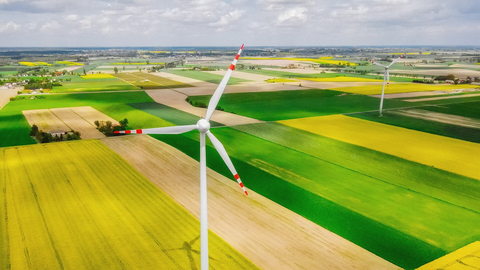
Scientists are warning that the use of coal and biomass in energy production would impose hundreds of billions of euros in health and climate damages on the European Union. Geopolitical tensions and energy import restrictions have driven up energy prices across the EU, highlighting vulnerabilities in energy security. According to scientists, a critical reassessment of the EU's energy transition strategies is necessary.
EconomyThe European Union's energy security has been severely shaken in recent years by geopolitical tensions and energy import restrictions, which have caused a sharp rise in energy prices. Scientists now warn that extensive use of coal and biomass in energy production could bring hundreds of billions of euros in health and climate damages to the EU.
Energy price surge changes the rules
Since 2020, energy prices in the European Union have risen dramatically and show no signs of returning to previous levels. This has forced policymakers and scientists to reassess existing energy transition strategies, or the fundamental principles underlying the energy transition. Critical voices emphasise that as an alternative to the development of wind and solar energy, the debates surrounding coal and biomass should not be overlooked.
Scientists' warnings on health and climate impacts
According to scientists, the greater use of coal and biomass in energy production comes with significant negative effects on both public health and the climate. The costs of such choices could reach hundreds of billions of euros, burdening the EU budget and member states' health systems. Scientists therefore stress that short-term energy security solutions must not overshadow long-term environmental and health impacts.
The EU's energy strategy needs reassessment
Opinion is unanimous that a critical reassessment of the EU's energy transition strategies is necessary at the present time. The gaps and vulnerabilities in energy supply, which have become evident against a backdrop of repeated geopolitical tensions, call for a balanced approach that takes into account supply security, economic costs, and health and climate impacts. Scientists are calling on European decision-makers to make choices that do not sacrifice long-term objectives for the sake of alleviating short-term energy crises.
Open in app →