Security expert Saks: War's initiative is slowly shifting toward Ukraine
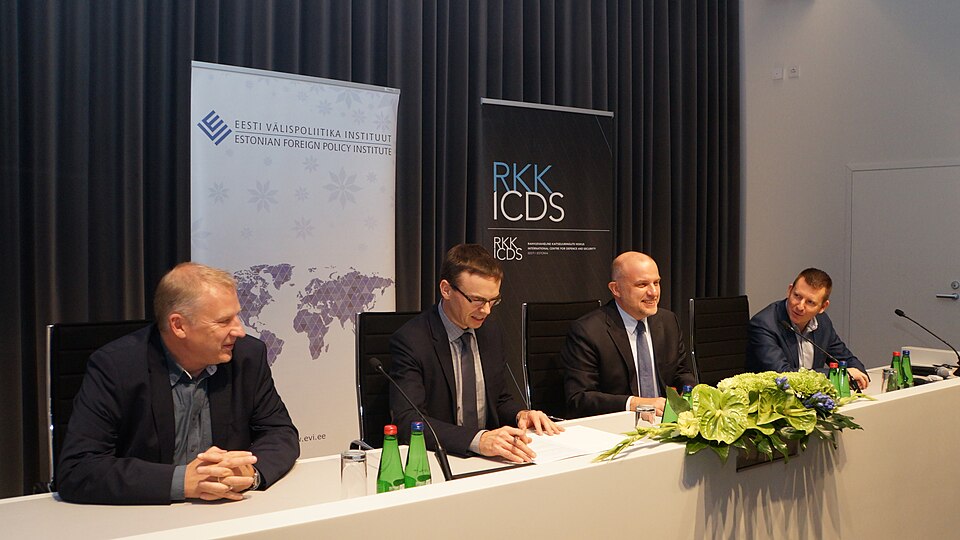
Estonian security expert Rainer Saks says Ukraine has gained a psychological edge over Russia through its recent strikes, and that the strategic initiative in the war is gradually tilting in Kyiv's favour. Saks also warned that Ukraine's attacks on Moscow-area oil infrastructure could cause long-lasting fuel shortages in Russia.
PoliticsRainer Saks, an Estonian security expert, said on Friday that while Russia still nominally holds the strategic initiative in the war in Ukraine, that advantage is becoming increasingly fragile. Speaking on Estonian public broadcaster ERR's morning programme "Vikerhommik", Saks argued that Ukraine's recent drone and missile strikes against Russian territory, including oil refineries near Moscow, have produced a meaningful psychological shift.
«I think this offensive already has a strategic dimension, and we can see from Russia's behaviour that they are alarmed that the strategic initiative is slipping away from them,» Saks said.
Ukraine's moral and military edge
Saks pointed to a convergence of factors that have improved Ukraine's position since the beginning of May. Over the past six months, the scale and effectiveness of Ukrainian strikes has grown, while Russian ground forces have been unable to advance meaningfully along the front line. At the same time, international pressure on Russia has intensified, from Europe and, most recently, from the United States.
He also highlighted Ukraine's deliberate avoidance of civilian targets in Russia, which he said has given Kyiv a moral advantage. This makes it easier for Western governments to justify continued support, and also boosts the morale of Ukrainian soldiers on the front lines.
«In war, the moral dimension matters. When soldiers know they are fighting in a way that is ethically superior to their opponent, it strengthens their resolve,» Saks explained.
Fuel shortages threatening Russia's logistics
A significant portion of Saks's analysis focused on the logistical consequences of Ukraine's strikes on Russian energy infrastructure. He noted that a refinery near Moscow that was struck in recent attacks had supplied approximately 40% of the Moscow region's fuel needs. Beyond that, Ukraine has also targeted the pipelines that bring petroleum products from other refineries into the Moscow area.
«Russia's territory is vast. And every Russian schoolchild has read the narrative their government promotes in history textbooks, that Russian collapses have always happened when logistics break down. The year 1917 is often cited: the collapse of rail transport was one reason such dramatic events occurred,» Saks said. «In that sense, the impact on the Russian government is very significant, though we will see the full effect only after some time.»
Saks predicted the situation in the Moscow region will worsen before it improves, as the damaged refinery is unlikely to return to operation for years. Cars and trains, he said, cannot compensate for the loss of pipeline capacity.
Front lines: drones remain the biggest threat
On the battlefield itself, Saks acknowledged a mixed picture. Russian forces have been unable to conduct large-scale offensive operations with major units since mid-December 2024, instead relying on small infantry infiltration attempts. However, Russia's continued use of drones and glide bombs remains a severe problem for Ukrainian defenders.
«These are the biggest challenge Ukraine has not been able to adequately address,» he admitted.
He also cautioned against over-optimism: «Despite very effective strikes on Russian logistics, I do not yet see a drop in Russian army activity at the front. The initiative on the battlefield is still with Russia.»
Western support growing
Saks drew attention to developments at the Ramstein format meeting in Brussels this week, where defence ministers of Ukraine's key backers, including the United Kingdom and Germany, reportedly made significant new commitments. He noted, however, that past announcements of major support, such as the delivery of F-16 fighter jets, have often fallen short in implementation.
«It does appear that the will of European countries to support Ukraine has grown considerably. And I would emphasise that Ukraine's recent battlefield successes have increased that motivation, it is easier to make decisions in Ukraine's favour when Ukraine is showing results,» Saks said.
Looking further ahead, Saks warned that Russia faces additional political pressure with State Duma elections scheduled for the autumn of 2026, elections which, while not democratic in the conventional sense, nonetheless present the Kremlin with additional challenges at a moment of growing domestic unease.
Open in app →